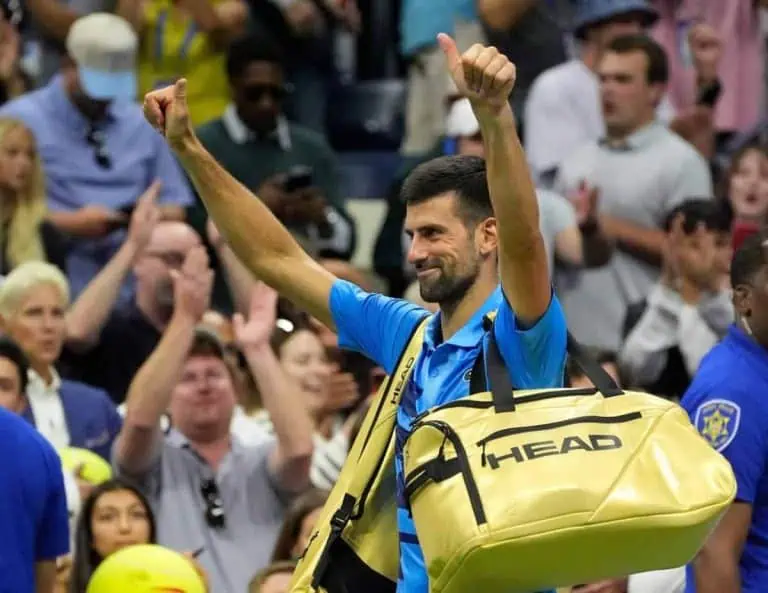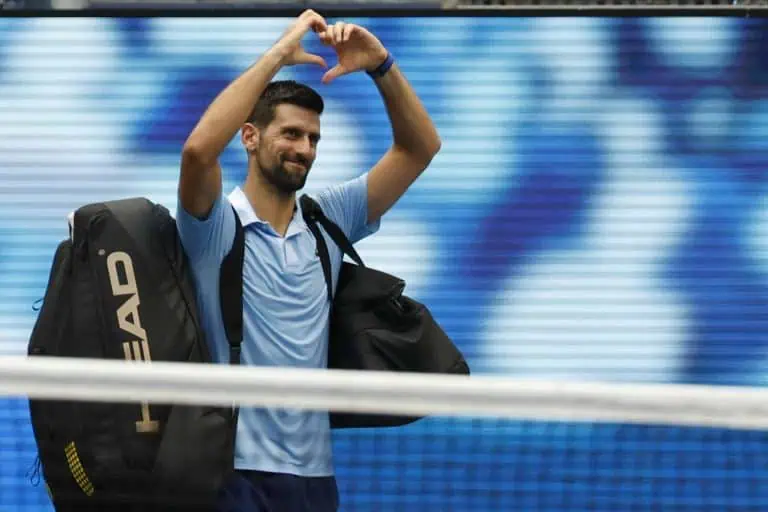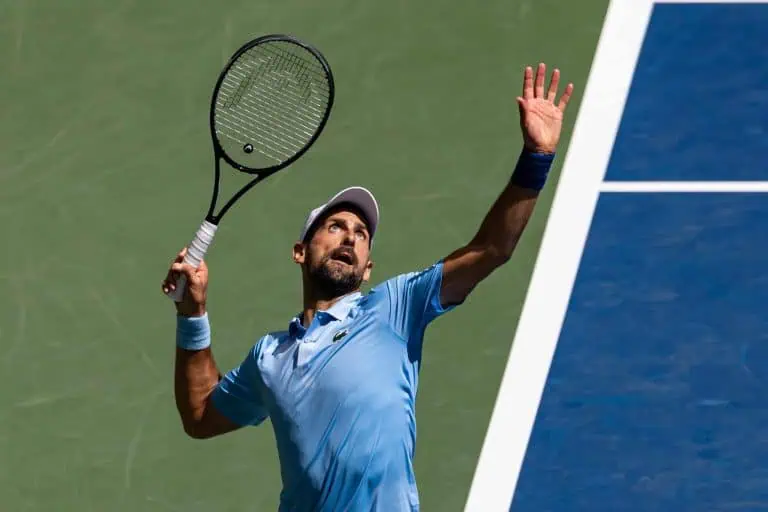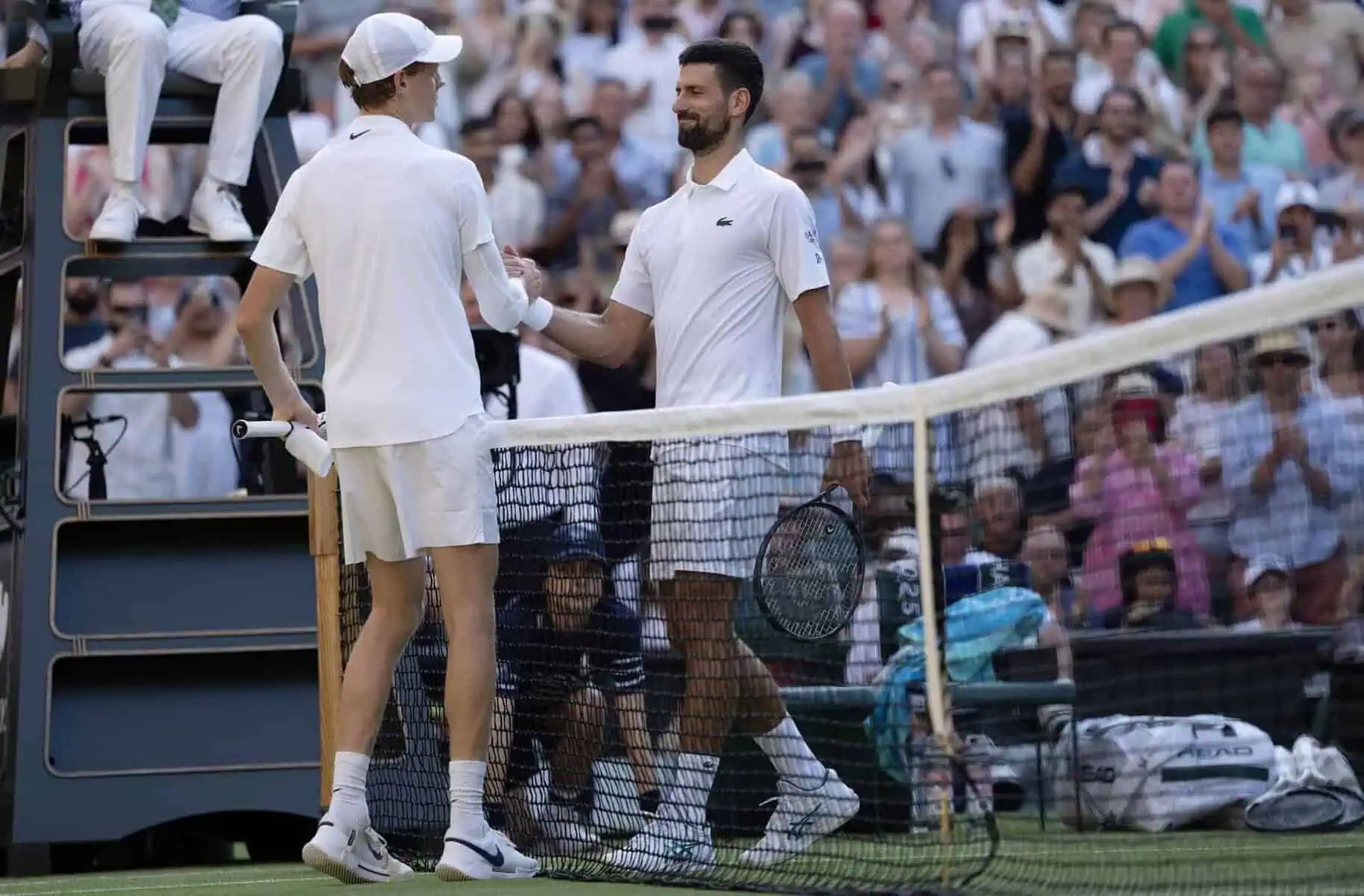
Novak Djokovic Finally Breaks Silence on Jannik Sinner’s Doping Scandal, and It’s Not What You Think

In the high-stakes, pristine world of professional tennis, the word “doping” is the ultimate four-letter word. It’s a career-killer, a reputation-shredder, and the kind of scandal that can turn a hero into a villain overnight. So, when rumors started swirling around the new world No. 1, Jannik Sinner, and a potential doping ban, the entire tennis community held its collective breath. Everyone was waiting for the other shoe to drop, and more importantly, for the sport’s elder statesman, Novak Djokovic, to weigh in.
Let’s be honest, we all expected some classic, diplomatic, maybe even slightly passive-aggressive commentary from Djokovic. After all, Sinner is the guy who swiped his No. 1 ranking. He’s the young gun leading the new generation that’s trying to push Djokovic and his era into the history books. A little schadenfreude? A thinly veiled “I told you so”? It wouldn’t have been out of character.
But in a move that shocked pretty much everyone, Djokovic did the exact opposite. He came out swinging, not at Sinner, but in his defense. It was a masterclass in sportsmanship that left many of us, myself included, a little stunned.
What’s the Deal with the Sinner Situation?

Before we get to Djokovic’s take, let’s recap this mess. The drama started when it was revealed that Sinner had missed a doping test conducted by the World Anti-Doping Agency (WADA). In the anti-doping world, a missed test is almost as bad as a failed one. It’s a huge red flag, and multiple missed tests can lead to a significant ban from the sport.
The tennis world went into a frenzy. Was Sinner, the squeaky-clean Italian prodigy, actually cheating? The International Tennis Integrity Agency (ITIA) launched an investigation, and Sinner’s camp claimed it was all just a simple, unfortunate mix-up. According to them, he was sick and had traveled to see a specialist, but a communication breakdown meant the doping control officers showed up at an empty house. Plausible? Sure. But in a sport haunted by the ghosts of doping scandals past, skepticism is the default setting. The situation remains unresolved, casting a dark shadow over Sinner’s recent triumphs.
Djokovic’s Surprising Comments
This is where it gets interesting. With the media hounding him for a comment, Djokovic had the perfect opportunity to kick his rival while he was down. Instead, he chose the high road, and his words were powerful.
“First of all, he’s not positive on any test,” Djokovic stated firmly, cutting through the speculation. “So he’s clean.”
He didn’t stop there. He went on to share his own frustrating experiences with the anti-doping system, humanizing a process that often feels cold and unforgiving. He described the constant pressure of having to report your whereabouts every single day, the “whereabouts” rule that requires athletes to provide a one-hour window each day where they can be tested.
“I can understand how frustrating it is,” Djokovic explained, recalling times when he himself was on the verge of missing tests due to travel, sickness, or simple human error. “It happened to me as well that I was close to missing the test… It’s very stressful.”
This wasn’t just a throwaway comment; it was a genuine, empathetic defense of a fellow player. Djokovic effectively said, “Hey, this system is brutal, and what happened to Sinner could happen to any of us.” He highlighted the immense pressure these athletes are under, painting a picture of a flawed system rather than a flawed player.
Is Novak the New Tennis Statesman?
Let’s be real: Djokovic’s career has been filled with controversy, much of it self-inflicted. From his stance on vaccinations to his on-court meltdowns, he’s often played the role of the anti-hero. But this move? This was different. This was statesmanlike. It was a calculated, mature, and frankly, classy response.
By defending Sinner, Djokovic accomplished several things. He reaffirmed his position as a leader in the sport, a voice of reason who values integrity above rivalry. He also subtly reminded everyone of the immense pressures of being a top athlete, pressures that he has navigated for over two decades. And, perhaps most shrewdly, he completely disarmed the narrative. The story was no longer “Djokovic vs. Sinner“; it was “Djokovic and Sinner vs. a Flawed System.”
This act of solidarity speaks volumes. In an individual sport where every opponent is an obstacle to your own success, showing this level of support for your biggest rival is a rare and powerful statement. It reminds us that beneath the fierce competition, there’s a shared experience and a mutual respect that binds these incredible athletes together. Djokovic didn’t just defend a rival; he defended the integrity of his sport. And in doing so, he may have just won over a few more hearts and minds.