VAR Drama: Why Virgil Van Dijk’s Goal Against Man City Was Controversially Ruled Out

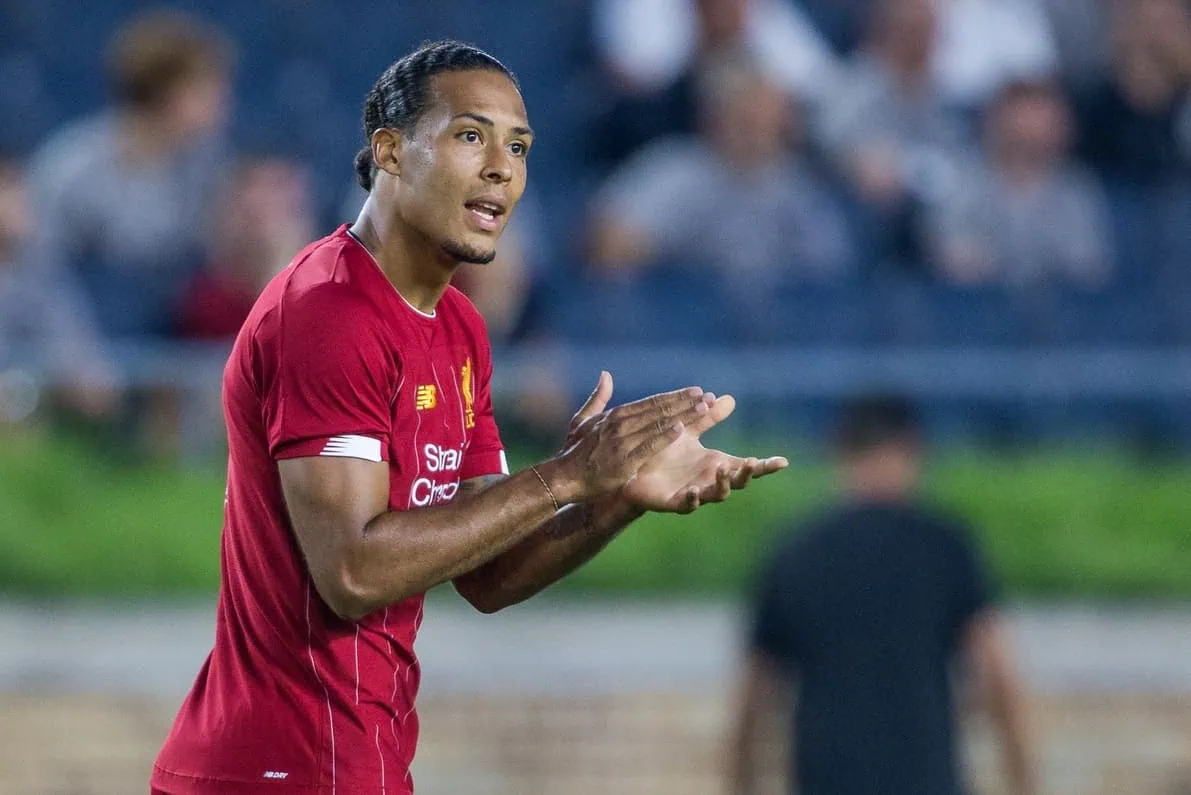
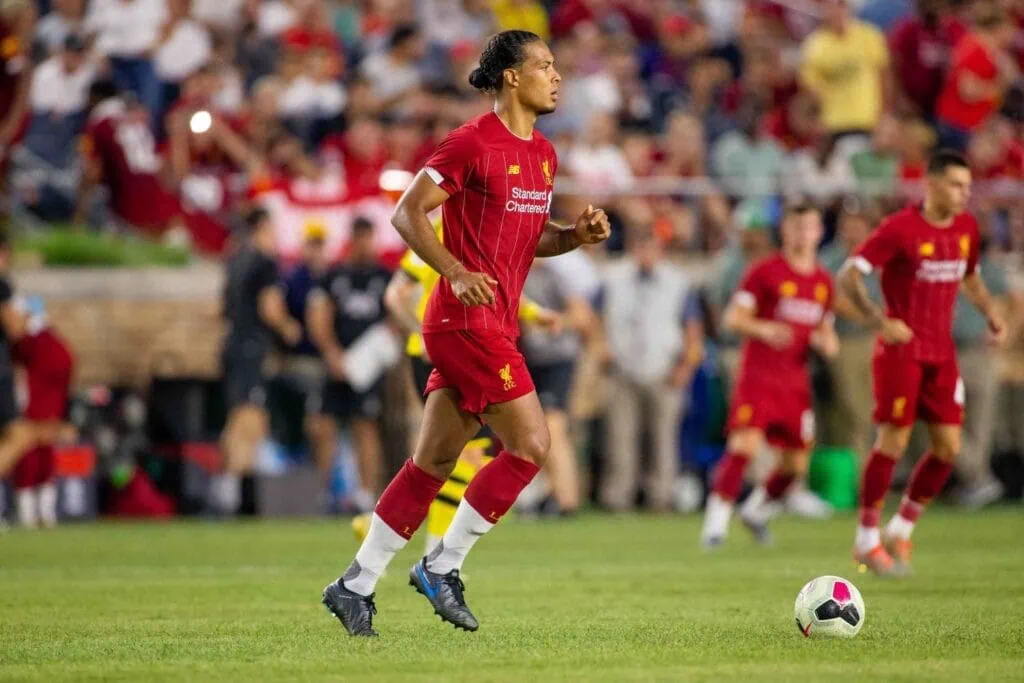
Another weekend, another VAR controversy that has the entire Premier League talking. This time, it was Liverpool’s turn to feel the sting of a baffling decision during their 3-0 loss to Manchester City at the Etihad Stadium. The Reds’ defensive stalwart, Virgil van Dijk, thought he had leveled the score at 1-1, but VAR had other plans, leaving players, pundits, and fans scratching their heads.
The game itself was a tough pill for Liverpool to swallow, a result that puts a serious dent in their title aspirations. But the story could have been entirely different. Trailing 1-0 in the 38th minute, van Dijk connected with an impressive header that found the back of the net. The Liverpool end erupted, but the celebration was cut short by the dreaded VAR check. The goal was ultimately chalked off, with Andy Robertson deemed to be offside and interfering with play. It was a moment that completely changed the complexion of the match.
What Exactly Happened With van Dijk’s Disallowed Goal?
The incident began when Virgil van Dijk rose to head the ball towards goal. At that moment, his teammate Andy Robertson was in an offside position. The on-field referee, Chris Kavanagh, and the VAR team at Stockley Park determined that Robertson was not just offside, but was also actively interfering with Manchester City‘s goalkeeper, Gianluigi Donnarumma.
The Premier League Match Centre, in a classic attempt to clear things up (and failing miserably), posted on X (formerly Twitter): “The referee’s call of offside and no goal to Liverpool was checked and confirmed by VAR – with Robertson in an offside position and deemed to be making an obvious action directly in front of the goalkeeper.”
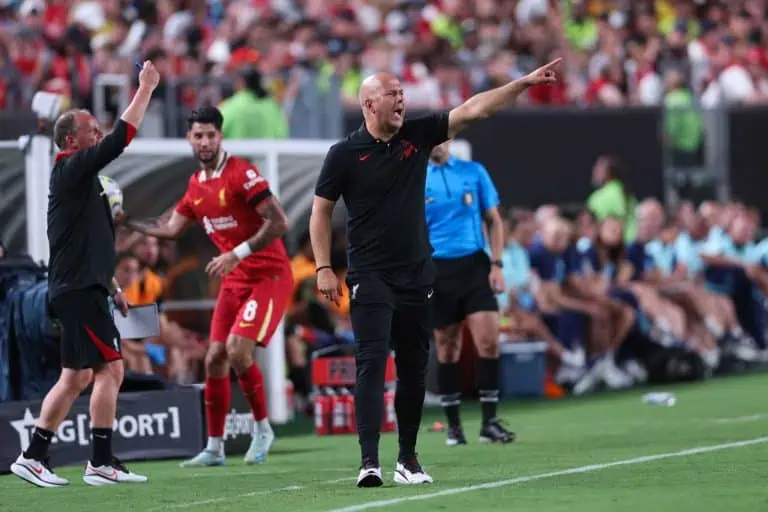
This explanation, however, has been met with widespread disbelief. Replays appeared to show that Donnarumma had a clear line of sight to van Dijk’s header and that Robertson, who was ducking, did little to impede him. The decision left Liverpool manager Arne Slot fuming on the touchline, while van Dijk and Robertson had some choice words for the referee at halftime.
The Offside Rule Explained (and Why the Decision Is Baffling)
So, let’s get into the weeds of it. According to the Football Association’s (FA) laws, a player is only penalized for being in an offside position if they become involved in active play by making an “obvious action which clearly impacts on the ability of an opponent to play the ball.”
The key phrase here is “clearly impacts.” Did Robertson’s presence clearly impact Donnarumma’s ability to save the shot? Many argue it didn’t. He ducked, he didn’t block the view, and the keeper wasn’t getting to it anyway. The VAR officials seem to have conveniently ignored this crucial part of the rule, turning a subjective call into a game-changing moment. It’s the kind of decision that makes you wonder if they’re watching the same game as the rest of us.
Pundits and Experts Weigh In on the van Dijk Controversy
It wasn’t just Liverpool fans who were left incensed. A chorus of pundits and former officials have slammed the decision.
Gary Neville, commentating for Sky Sports, was blunt: “I think he is outside the eyeline of the goalkeeper. I think Slot is right to be fuming. The goalkeeper is not getting anywhere near that.”
Micah Richards, a former Man City player, called the decision “really harsh.”
Keith Hackett, the former head of the PGMOL (the body responsible for referees), didn’t mince words, telling Football Insider that Liverpool had a “perfectly good goal ruled out.” He added, “Did he really interfere with the goalkeeper? I think the goalkeeper had a clear line of sight… Wrong in my opinion. I don’t like good goals being ruled out.”
Even former Liverpool striker Robbie Fowler chimed in, sarcastically suggesting that the club should be expecting another apology from the PGMOL for the “atrocious decision.”
The incident adds another chapter to the never-ending debate surrounding VAR’s
implementation in football. While the technology was introduced to eliminate clear and obvious errors, it often seems to create more confusion and frustration. For Virgil van Dijk and Liverpool, it was a moment that not only cost them a goal but potentially swung the momentum of a crucial match, leaving a bitter taste and more questions than answers.