Game 7 Of World Series Draws a Record Audience

Remember when people said baseball was dying? Yeah, about that.
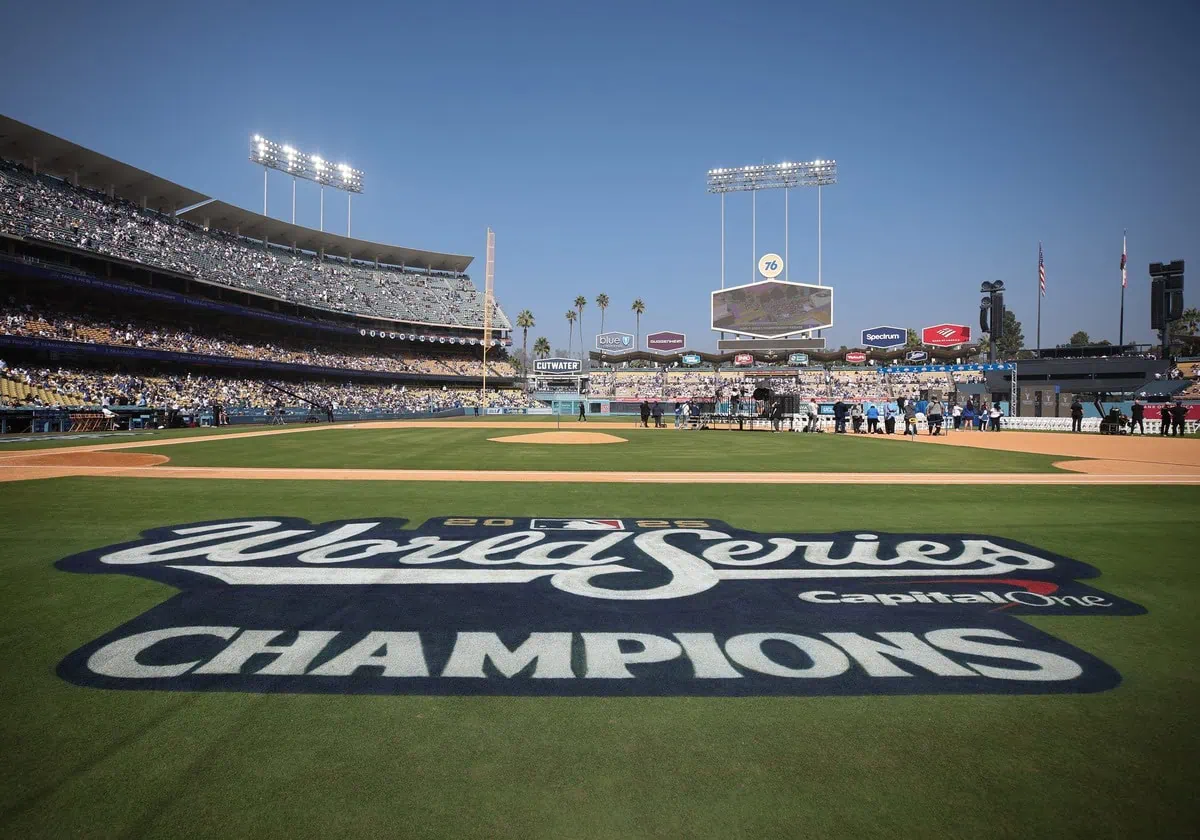
Game 7 of the 2025 World Series just delivered a haymaker to anyone still pushing that tired narrative. The Los Angeles Dodgers’ dramatic 11-inning victory over the Toronto Blue Jays pulled in a jaw-dropping 51.0 million viewers across the United States, Canada, and Japan. That’s not just good—it’s the best MLB has seen in 34 years, dating back to that legendary 1991 “Fall Classic” between the Twins and Braves.
Let’s put this in perspective. This wasn’t just some random spike in interest. The entire seven-game series averaged 34.0 million viewers globally, marking a 19% jump from last year and the biggest World Series audience since 1992. Baseball isn’t just alive—it’s absolutely thriving.
The U.S. Falls Back in Love With October Baseball
Here in the States, the World Series averaged 16.1 million viewers across FOX and its family of networks. That’s the best American viewership since 2017, and Game 7’s peak hit an incredible 33 million viewers around 11:45 p.m. ET. Think about that—33 million people staying up late on a weeknight to watch baseball. When’s the last time anything not named the Super Bowl pulled those kinds of numbers?
Even better? The sport is connecting with younger fans. Viewership among the 17-and-under crowd jumped 11% compared to last year, making this the most-watched World Series for that demographic since 2017. Those Gen Z kids everyone says don’t watch traditional sports? They’re watching baseball.
Canada Goes Absolutely Bonkers
If you thought Americans were into this series, Canadians took it to another level entirely. Game 7 averaged 11.6 million viewers north of the border on Sportsnet and TVA Sports. At its peak, 14 million Canadians were glued to their screens, with more than 18.5 million, nearly half the entire country, catching at least part of the action.
That Game 7 broadcast became the most-watched English-language program in Canadian history outside of the 2010 Vancouver Winter Olympics. The Blue Jays’ first World Series appearance in 32 years had the whole nation invested, even if the ending wasn’t what they hoped for. The seven-game series averaged 8.1 million viewers in Canada, a staggering 46% increase when combined with U.S. numbers compared to 2024.
Japan Shows Up In a Big Way
Despite games starting at 9 a.m. local time, not exactly prime viewing hours, Japanese fans showed up in massive numbers. Game 6 averaged 13.1 million viewers on NHK-G, setting the record for the most-watched World Series game ever on a single Japanese network. Game 7 pulled 12.0 million viewers on NHK-BS, and the series averaged 9.7 million viewers across Japan.
The reason? Shohei Ohtani and World Series MVP Yoshinobu Yamamoto. These guys aren’t just superstars—they’re cultural phenomena driving international interest to unprecedented levels. Baseball truly became a global sport during this World Series, generating the largest international audience in Fall Classic history.
The Drama Delivered On the Biggest Stage
Numbers are great, but they don’t happen without compelling baseball. Game 7 had everything: high stakes, momentum swings, and clutch performances. The Dodgers rallied from a 3-2 series deficit, erased a late deficit in Game 7, tied it in the ninth on Miguel Rojas’ homer, and won it with Will Smith’s 11th-inning blast.
Then there’s Yamamoto, who came back on zero days’ rest to get the final outs, inducing a game-ending double play to secure back-to-back championships. The Dodgers became the first team to repeat since the 1998-2000 Yankees dynasty. That’s the kind of storyline that keeps 51 million people watching past midnight.
Baseball’s Global Reach Has Never Been Stronger
This World Series was broadcast in 203 countries and territories through 44 media partners in 16 languages. The rosters featured 13 internationally-born players from eight different countries, including Canada, Japan, the Dominican Republic, and Venezuela.
The combined U.S. and Canadian audience of 24.3 million viewers represents the largest joint viewership since 2016. Factor in Japan’s contribution, and you’ve got a truly international sporting event that rivals anything else on the calendar.
So the next time someone tries telling you baseball is losing relevance, show them these numbers. The 2025 World Series proved that when the stakes are high, the stars shine bright, and the drama unfolds on the biggest stage, people will watch. Fifty-one million of them, to be exact.