NASCAR Won’t Tolerate Post-Race Retaliation: Sam Mayer Faces Likely Suspension After Martinsville Incident

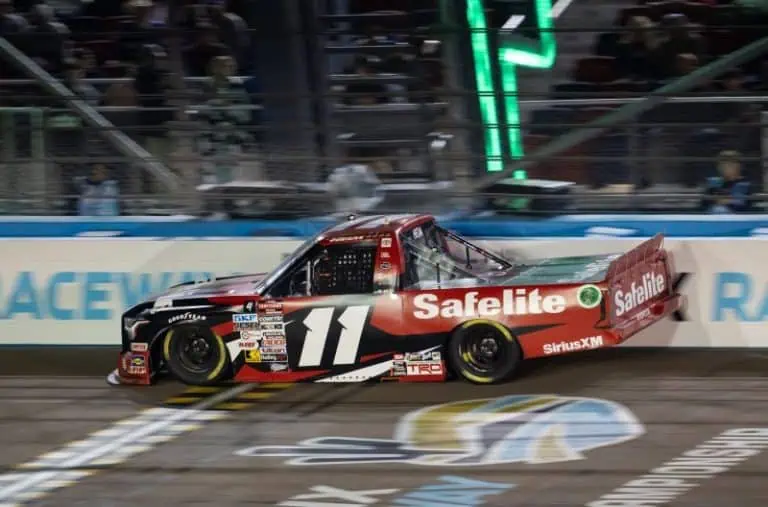
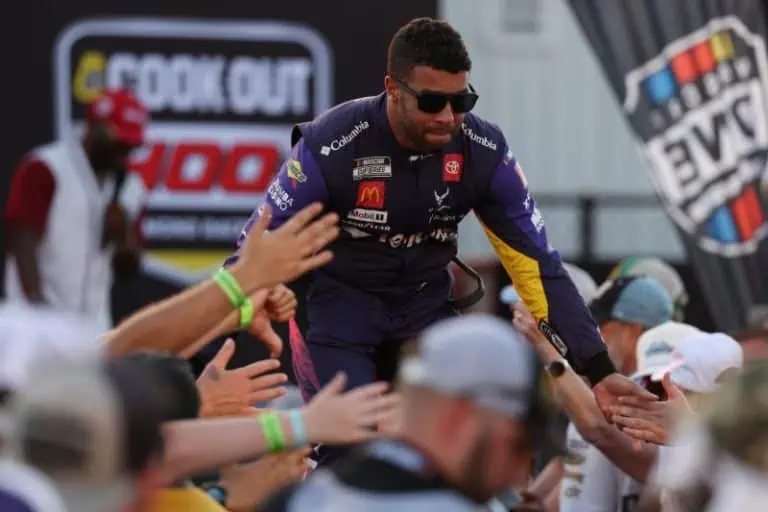
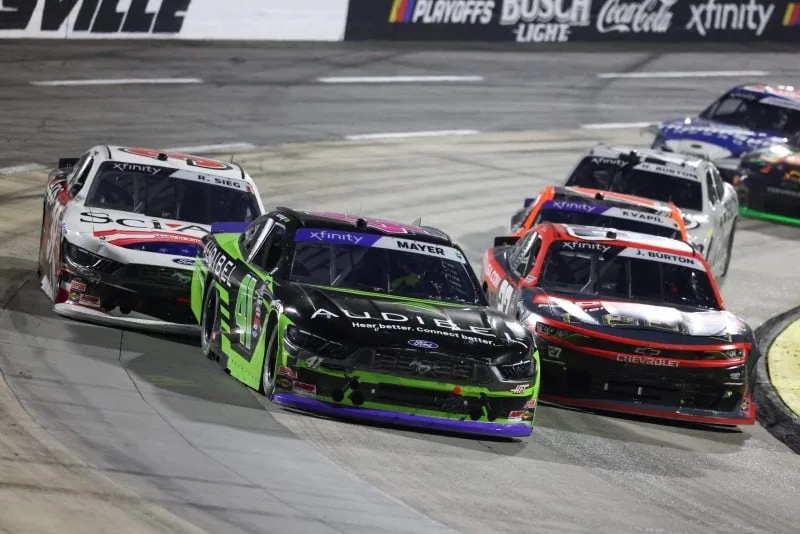
The checkered flag had barely waved at Martinsville Speedway when all hell broke loose on the track. What should have been the end of Saturday’s Xfinity Series race turned into a flashpoint that’s got everyone talking, and NASCAR’s not happy about it. Sam Mayer, his playoff hopes already dead and buried, made a choice.
With nothing left to lose and everything to prove, he turned his race car into a weapon and deliberately wrecked Jeb Burton after the race was over. It was raw emotion, pure frustration, and the kind of thing that gets you sent home early.
NASCAR Sends a Clear Message
When Elton Sawyer, NASCAR’s Senior Vice President of Competition, stepped up to the mic on Tuesday morning’s SiriusXM NASCAR Radio show, he didn’t mince words. The sanctioning body is drawing a line in the sand, and Mayer just stepped way over it.
“We’ll meet with our team at the R&D Center today, and I know some data and information has already been gathered on that situation,” Sawyer explained, his tone making it crystal clear this wasn’t going to slide. “I expect something to come out of that. I don’t know exactly what that will be.”
Then came the hammer: “Having those types of incidents after the checkered flag, it’s not something we’re going to tolerate. So we’ll get with our team today and determine what will happen.” That’s about as direct as it gets in the carefully worded world of NASCAR officiating. Translation? Mayer’s probably watching the season finale from his couch.
The Investigation Process Reveals NASCAR’s Thoroughness
So how does NASCAR actually handle something like this? Sawyer pulled back the curtain on the process, and it’s more detailed than you might think.”It’s the series director, in this case, Eric Peterson, running point,” Sawyer said.
“He’ll talk to both drivers, Sam and Jeb, to get their side of the story. We’ll go back and look at all the replays, plus the race in its entirety, to see what unfolded early on,” he implied. They’re not just looking at the incident itself. They’re rewinding the whole race, piecing together what led to that moment of frustration.
Maybe there was contact earlier. Maybe words were exchanged on the radio. NASCAR wants the full picture before it drops the penalty. “We take all that [ill will], sit down and look at similar incidents, and determine how we will move forward,” Sawyer continued.
“As I said earlier, when things happen after the race, and we start using vehicles to run into each other, that rises to a different level, and we will respond accordingly,” he added. That phrase “different level” is key. Racing contact during competition is one thing. We expect it. We love it. But turning your car into a battering ram after the race? That crosses a line that NASCAR has consistently enforced.
History Suggests One Outcome
If you’ve been following NASCAR for any length of time, you know where this is headed. The precedent is pretty straightforward: crash someone under yellow or after the checkered flag, and you’re sitting out a week. It’s happened before, and unless NASCAR decides to rewrite its rulebook on the fly, it’s happening again.
For Mayer, that means his 2025 season is effectively over. He was already eliminated from championship contention at Martinsville, which is what triggered this whole mess in the first place. Now he’s likely missing the season finale at Phoenix, watching from home while his competitors battle for the title he won’t be eligible for anyway.It’s a bitter pill to swallow, but it’s one he served himself.
The Bigger Picture for NASCAR
This incident isn’t happening in a vacuum. NASCAR has spent years trying to walk the tightrope between “boys, have at it” racing and maintaining some semblance of order and safety. They want drivers to run hard, show emotion, and give fans the drama and intensity that make stock car racing special.
But there’s a line. There has to be. And that line is drawn at the checkered flag. Once the race is over, your car stops being a competitive tool and starts being a dangerous weapon. That’s when NASCAR steps in with real consequences. They’ve done it before with other drivers who let their emotions override their judgment, and they’re about to do it again.
What This Means Moving Forward
For Sam Mayer, this is a learning moment and also an expensive, embarrassing, and potentially career-defining one. He’s a talented driver with a bright future, but moments like this can stick with you. Sponsors notice. Team owners remember. And fans? They never forget.
The good news for him is that NASCAR’s memory is typically shorter than the offseason. Come Daytona next year, this will be yesterday’s news, and he’ll get a fresh start. But right now, in this moment, he’s facing the consequences of letting frustration dictate his actions.
For NASCAR, this is about maintaining consistency in their officiating. They’ve set a standard, and they’re sticking to it. That consistency is crucial for credibility in a sport where the rules can sometimes feel arbitrary to fans and competitors alike.
Final Thoughts
The decision is expected soon, but let’s all step into reality for a second. We all know what’s coming. Mayer will get his suspension, serve his time, and return next season, hopefully a little wiser about when to channel that competitive fire and when to let it go.In racing, as in life, timing is everything. And Mayer’s timing on Saturday? It couldn’t have been worse.