Congress Puts NBA Commissioner Silver in the Hot Seat Over Gambling Scandal

Well, well, well. Look who’s getting called to the principal’s office. NBA Commissioner Adam Silver is about to face some very uncomfortable questions from Congress, and frankly, it’s about damn time someone with actual authority started asking the hard questions about this gambling mess that’s turning the league into a soap opera.
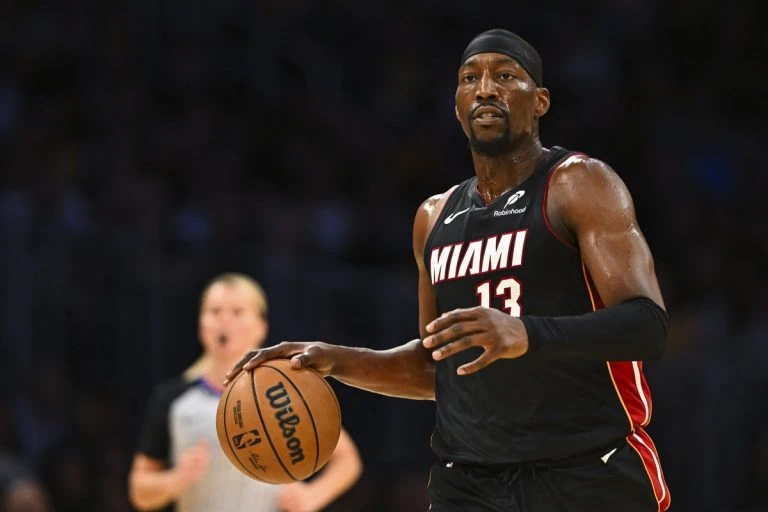
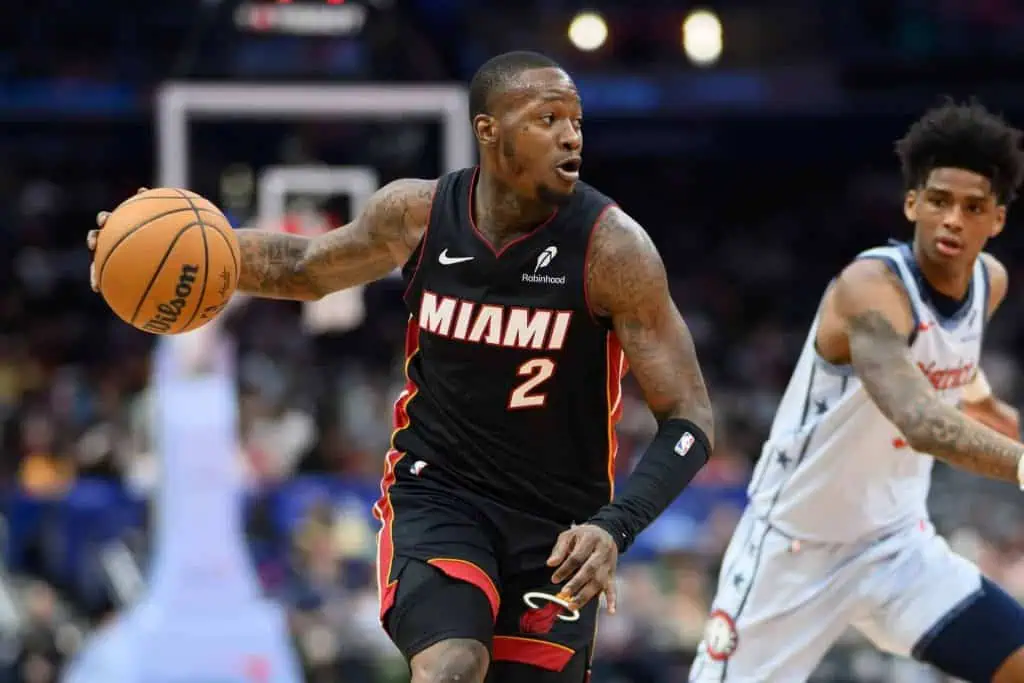
Six members of Congress just sent Silver a letter that’s basically the political equivalent of “we need to talk.” They want answers by October 31st about the latest gambling fiasco involving Portland Trail Blazers coach Chauncey Billups, Miami Heat guard Terry Rozier, and former player Damon Jones. And honestly? Silver probably wished he could bet on this day never coming.
Silver’s “Deeply Disturbed” Response Falls Short
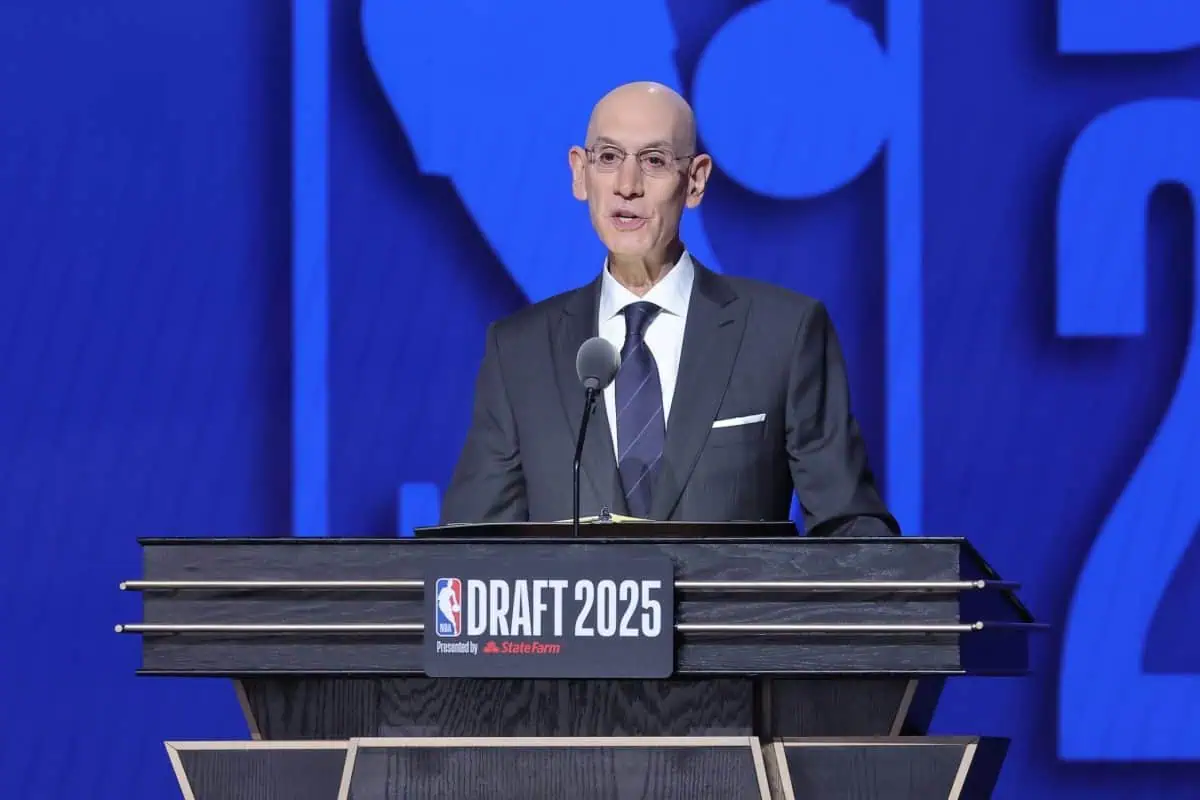
During Friday night’s Knicks-Celtics game, Silver finally broke his silence on the scandal, telling the Amazon broadcast that he was “deeply disturbed” and had “a pit in his stomach.” Oh, boo-hoo. You know what’s really disturbing? This is the second major gambling scandal in recent years, and the league keeps acting surprised every time someone gets caught with their hand in the cookie jar.
Silver went on to explain how the league’s previous investigation into Rozier back in 2023 came up empty-handed, despite what he called “aberrational betting behavior.” Translation: they saw suspicious activity, shrugged their shoulders, and hoped it would go away. Spoiler alert – it didn’t.
The Feds Have What Silver Doesn’t: Real Power
Here’s where Silver’s explanation gets interesting, and by interesting, I mean laughably inadequate. He admitted that while the NBA can ask nicely for phone records and conduct interviews, “the federal government has subpoena power, can threaten to put people in jail, can do all kinds of things that the league office can’t do.”
Wait, so you’re telling me the league that generates billions in revenue and has partnerships with major gambling companies can’t figure out how to properly investigate its own people? That’s like saying a restaurant can’t tell if their chef is poisoning the food because they don’t have a chemistry lab.
Congress Wants Real Answers, Not PR Spin
The House Committee on Energy and Commerce isn’t messing around. They’re asking pointed questions about:
- What specific actions has the NBA taken to prevent insider information from being used for illegal gambling
- Whether the league’s code of conduct actually works (spoiler: apparently not)
- If the NBA is reconsidering its cozy relationships with DraftKings, FanDuel, and other betting partners
These aren’t softball questions you can deflect with corporate speak about “integrity” and “disturbing developments.” Congress wants to know if Silver and his billion-dollar league are actually capable of policing themselves.
The Pattern Silver Can’t Ignore
Let’s recap the NBA’s gambling greatest hits: Tim Donaghy in 2007, Jontay Porter earlier this year, and now this trio of knuckleheads. The committee’s letter pointedly noted that illegal gambling “is not a new problem” for the league. Yet somehow Silver keeps acting like each incident is a shocking bolt from the blue.
The Rozier case is particularly damning. In March 2023, he allegedly told his gambling buddies he was planning to leave a game early, leading to over $200,000 in prop bets on his unders. He played less than 10 minutes, the bets cashed, and the NBA… found “insufficient evidence” of wrongdoing.
Silver’s Regulation Plea Rings Hollow
On “The Pat McAfee Show” earlier this week, Silver called for more federal regulation of sports betting. “I think, probably, there should be more regulation, frankly,” he said. “I wish there was federal legislation rather than state by state.”
How convenient. The commissioner who’s been happy to cash checks from gambling partnerships for years now wants someone else to handle the messy parts. It’s like a bar owner complaining about drunk driving after selling shots all night.
The Real Question Silver Doesn’t Want to Answer
Here’s what Congress should really be asking: If the NBA has official partnerships with gambling companies, real-time monitoring of betting patterns, and supposedly robust integrity measures, how do players and coaches keep finding ways to game the system?
The answer is probably that the league’s “robust integrity measures” are about as effective as a screen door on a submarine. They’re great for public relations, terrible for actual enforcement.
What This Means Moving Forward
Silver’s congressional briefing deadline is Halloween, how fitting. By then, he’d better have more substantial answers than his usual word salad about being “deeply disturbed.” Congress isn’t interested in his feelings; they want to know if the NBA can actually protect the integrity of its product.
The committee has jurisdiction over consumer protection, and American sports bettors are consumers who deserve to know the games aren’t being manipulated by insiders. If Silver can’t provide convincing evidence that the NBA has this under control, don’t be surprised if federal oversight becomes the league’s new reality.
The commissioner likes to position himself as the progressive, forward-thinking leader who’s modernized the NBA. But when it comes to gambling integrity, he’s looking more like the emperor with no clothes – except the clothes are billion-dollar TV deals and gambling partnerships, and underneath it’s just a league that can’t police its own people.
Silver better hope his Halloween meeting with Congress goes better than his league’s track record with gambling scandals. Otherwise, the NBA might find itself with a lot more federal supervision than anyone bargained for.