Adam Silver’s Promise: WNBA Players Set for Major Pay Boost in 2026

The tension in the air is palpable. Adam Silver makes his promise. With just days left before the WNBA’s collective bargaining agreement expires on October 31st, players across the league are holding their breath. Will they finally get the financial recognition they’ve been fighting for, or will a lockout derail their momentum just as women’s basketball reaches unprecedented heights?
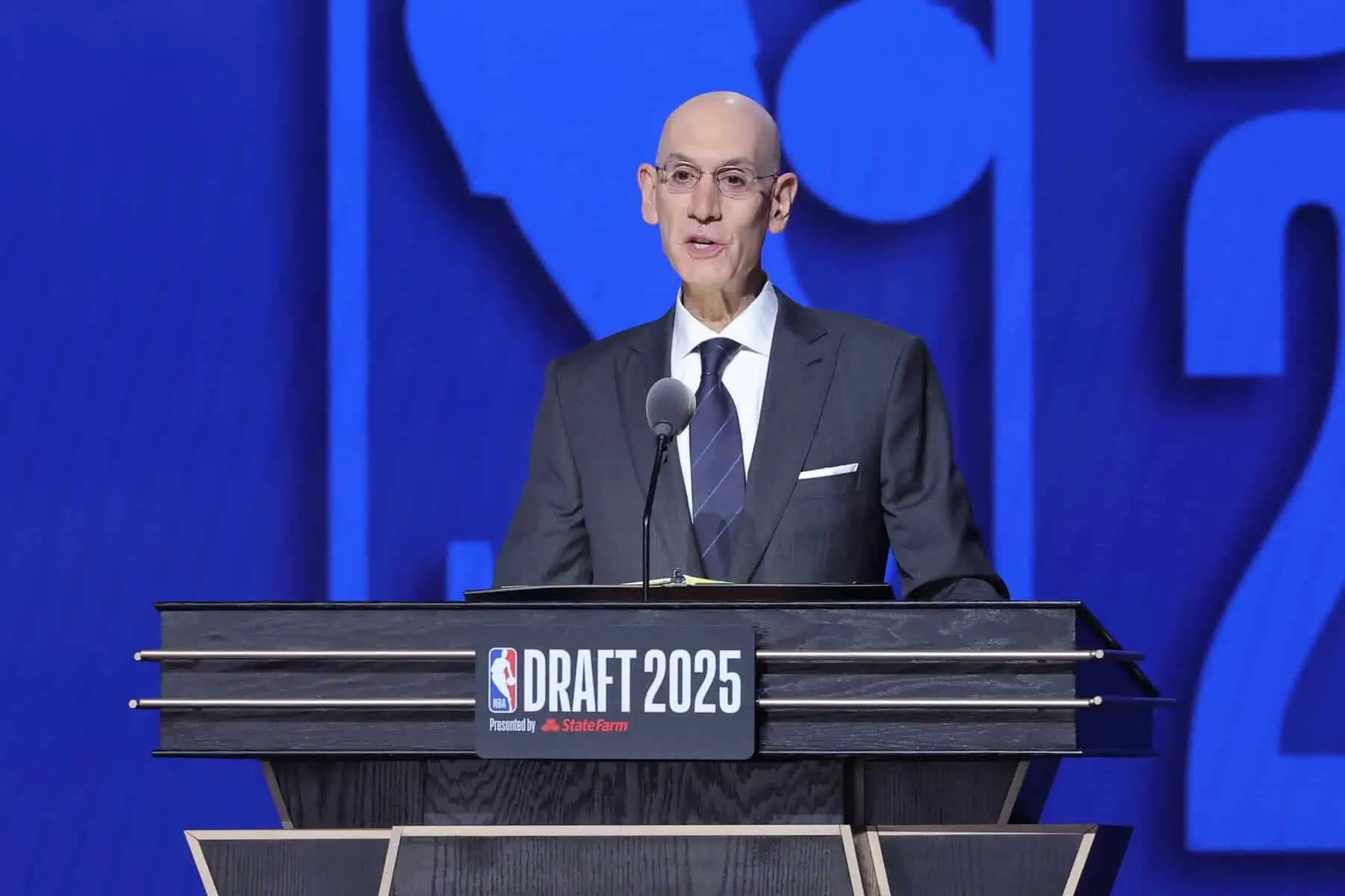
NBA Commissioner Adam Silver stepped into the spotlight recently with words that sent ripples of hope through locker rooms from Las Vegas to New York. Speaking on the Today show, Silver didn’t mince words about what’s coming for WNBA athletes: they’re getting a “big increase” in compensation.
But here’s where it gets interesting. Silver isn’t buying into the revenue share comparison game that has dominated these negotiations.
Why Revenue Share Isn’t the Full Picture
The players want more than the measly 9% revenue share they currently receive. When you stack that against the NBA’s nearly 50% player revenue share, it’s easy to see why frustration has been boiling over. But Adam Silver sees it differently.
“I think share isn’t the right way to look at it, because there’s so much more revenue in the NBA,” Silver explained. “I think you should look at it in absolute numbers in terms of what they’re making, and they are going to get a big increase in this cycle of collective bargaining, and they deserve it.”
That last part hits different. “They deserve it.” Coming from the man who oversees both leagues (the NBA owns 42% of the WNBA), those three words carry weight that goes beyond typical negotiation speak.
The players have been anything but quiet about their demands. Remember those “Pay Us What You Owe Us” shirts during All-Star Game warm-ups? That wasn’t just fashion – that was a battle cry from athletes who’ve watched their league explode in popularity while their paychecks remained embarrassingly small.

The Issues Beyond Money
But this isn’t just about dollar signs in bank accounts, and Adam Silver sees that. The players are fighting battles on multiple fronts that would make any sports fan’s blood boil.
Charter flights? Still not guaranteed for every team. Imagine playing professional basketball in 2025 and having to worry about whether you’ll be crammed into a commercial flight middle seat after giving everything you have on the court.
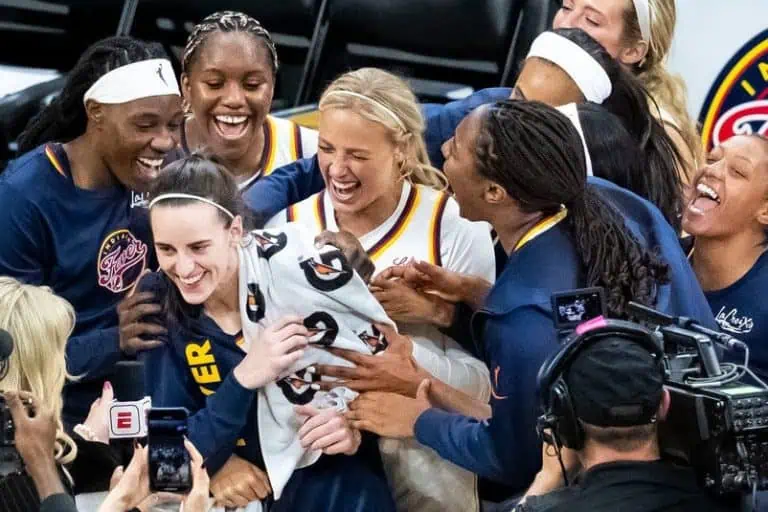
Roster sizes remain stuck at a maximum of 12 players per team. This season, that limitation turned into a nightmare scenario when the Indiana Fever suffered five season-ending injuries. Suddenly, they were scrambling just to field a complete team for games. First-year players drafted with dreams of WNBA stardom get cut before they even touch the court, not because they lack talent, but because there simply isn’t room.
The officiating situation has become a powder keg of frustration. Coaches and players have been vocal all season about inconsistent referee calls that sometimes turn games into wrestling matches instead of basketball showcases.
The Leadership Crisis
Then there’s the elephant in the room that Minnesota Lynx star Napheesa Collier couldn’t ignore anymore. Her post-season blast at WNBA Commissioner Cathy Engelbert was devastating in its simplicity: “We have the best fans in the world. But right now we have the worst leadership in the world.”
Those words cut deep because they came from a player who just poured her heart out for an entire season, only to feel like the league’s leadership was failing her and her teammates.
Adam Silver acknowledged these “relationship issues” between Engelbert and the players need to be addressed. When the commissioner of the parent league admits there are relationship problems, you know the situation has reached a breaking point.
The Stakes Have Never Been Higher
What makes this moment so crucial is timing. The WNBA is riding a wave of popularity that seemed impossible just a few years ago. Caitlin Clark’s rookie season brought unprecedented attention. A’ja Wilson just dominated another championship run. The fans are there, the excitement is building, and the talent level keeps rising.
But none of that matters if the league can’t figure out how to properly compensate and support the athletes who are driving this growth.
The clock is ticking toward October 31st, and both sides know what’s at stake. A lockout would be catastrophic – not just for the players who would lose paychecks, but for a league that has finally captured mainstream attention.
Adam Silver’s confidence about reaching a deal feels genuine, not like typical negotiation posturing. His acknowledgment that players “deserve” better compensation suggests the NBA understands what’s at stake here.
The WNBA’s moment is now. The players have proven their worth on courts across the country, building a fanbase that’s passionate and growing. They’ve shown they can handle pressure, deliver in clutch moments, and entertain at the highest level.
Now it’s time for the boardrooms to catch up to what’s happening on the hardwood. When Adam Silver says these players will see a “big increase,” he’s not just talking about numbers on a contract. He’s talking about respect, recognition, and the future of women’s professional basketball.
The players have done their part. They’ve delivered the excitement, the skill, and the passion that fans crave. Now the question is whether leadership can deliver on the promise of treating them like the professionals they’ve proven themselves to be.