Shaheen Afridi Named Pakistan’s New ODI Captain: What’s Really Going On?

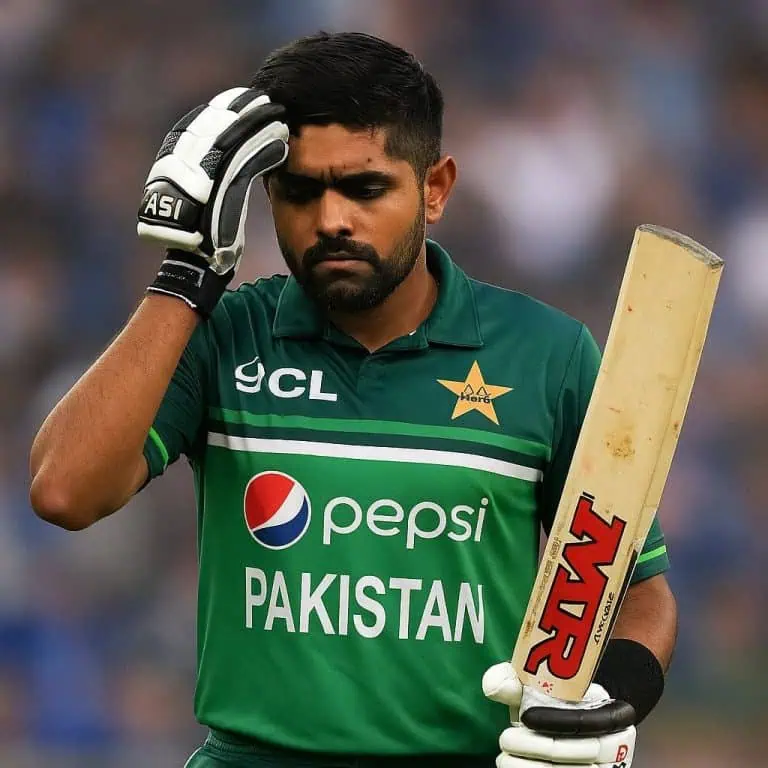
Well, here we go again. The Pakistan Cricket Board (PCB) has officially named Shaheen Afridi as the new ODI captain, replacing Mohammad Rizwan. If you’re keeping score at home (and honestly, you’d need a spreadsheet at this point), Afridi becomes Pakistan’s 32nd ODI captain. Let that sink in for a moment. Thirty-two.
The announcement came during the second Test between Pakistan and South Africa, and let’s just say the timing was… interesting. No official explanation was given for Rizwan’s removal, but if you’ve been paying attention to Pakistan cricket over the past year, you can probably connect the dots yourself.
Why Did the PCB Remove Mohammad Rizwan?
Here’s the thing: Rizwan‘s ODI captaincy record wasn’t exactly setting the world on fire. He led Pakistan in 20 ODIs, winning nine and losing 11—a 45% win rate that apparently didn’t inspire much confidence at PCB headquarters. And if we’re being honest, his brief stint as T20I captain was even rougher, with Pakistan losing all four matches under his leadership before the board handed those responsibilities to Salman Ali Agha.
According to reports from ESPNCricinfo, the decision to axe Rizwan came after a meeting in Islamabad between the selection committee and white-ball head coach Mike Hesson. Apparently, Hesson specifically requested that PCB chairman Mohsin Naqvi convene this meeting to discuss appointing a new captain. Translation? The writing was on the wall for Rizwan.
But here’s where it gets spicy: sources suggest that Afridi had backing at the highest levels of the PCB‘s decision-making process. Whether that’s a good thing or just more politics-as-usual in Pakistan cricket remains to be seen.
Afridi’s Second Chance at Captaincy
This isn’t Afridi’s first rodeo as captain, and that’s either encouraging or concerning depending on how you look at it. He previously led Pakistan’s T20I side against New Zealand in January 2024—a series that ended with a brutal 4-1 defeat. After that disaster, he was promptly replaced by Babar Azam (remember him?), who went on to captain at the T20 World Cup 2024.
So why bring Afridi back now? Well, his form in ODI cricket has been pretty stellar lately. Since the 2023 Cricket World Cup, he’s been the leading wicket-taker among fast bowlers with 45 scalps—no other quick has come close. That kind of performance speaks for itself, and perhaps the PCB believes his bowling prowess will translate into leadership success this time around.
His first test as skipper will be the upcoming three-match ODI series against South Africa at Faisalabad’s Iqbal Stadium, running from November 4-8. No pressure or anything.
The Captaincy Carousel Continues
If all this sounds exhausting, that’s because it is. Former Pakistan wicketkeeper Rashid Latif certainly thinks so. Taking to X (formerly Twitter), Latif didn’t hold back his criticism of what he called the PCB’s “divide and rule” policy—a strategy designed to maintain control by creating divisions within teams.
Latif laid out a timeline that reads like a fever dream:
- March 2023: Shadab Khan captains vs Afghanistan
- November 2023: Babar resigns across all formats
- November 2023: Afridi appointed T20I captain; Shan Masood named Test captain
- March 2024: Afridi removed as white-ball captain
- March 2024: Babar reappointed T20I captain
- October 2024: Babar resigns again
- October 2024: Rizwan appointed white-ball captain
- March 2025: Salman Ali Agha becomes T20I captain
- October 2025: Afridi named ODI captain
Got all that? Because honestly, it’s hard to keep track without taking notes. Latif’s point is clear: Pakistan is plagued by leadership instability that shows no signs of stopping anytime soon.
“Pakistan is the only country that cannot even produce a decent captain or leader,” Latif wrote bluntly. Ouch.
What Does This Mean for Pakistan Cricket?
Look, Afridi is undeniably talented—one of the most electrifying fast bowlers in world cricket right now. But talent alone doesn’t make someone a great captain, as his previous stint demonstrated. Leadership requires consistency, strategic thinking, man-management skills, and maybe most importantly in Pakistan cricket: political savvy.
The constant captaincy changes aren’t just embarrassing—they’re destabilizing. Players need stability to perform at their best, and when leadership changes every few months like clockwork, it creates uncertainty throughout the entire squad. How are players supposed to buy into a long-term vision when they know their captain might be gone after one bad series?
And let’s talk about Mohammad Amir’s reaction for a second. The former fast bowler took to social media following Afridi’s appointment (because where else would Pakistani cricketers air their thoughts?), though his exact sentiments varied depending on which headline you read. The point is: everyone has an opinion about this move because everyone knows how messy Pakistan cricket politics can get.
Can Afridi Succeed This Time?
Here’s hoping he does. Pakistan desperately needs some stability in their leadership structure, and if Afridi can channel his bowling excellence into captaincy success, maybe—just maybe—the PCB will resist their apparent urge to hit the reset button every six months.
Afridi will need to prove he’s learned from his previous captaincy experience. He’ll need strong support from coach Mike Hesson and his senior players. And most importantly, he’ll need results because we all know how quickly things can turn in Pakistan cricket.
The South Africa series will be crucial. A strong performance could cement his position for the foreseeable future. A poor showing? Well, we might be writing about Pakistan’s 33rd ODI captain before Christmas.
For now, all we can do is watch and hope that this latest chapter in Pakistan’s captaincy saga has a happier ending than the previous ones. But given everything we’ve seen over the past few years, forgive us if we’re not exactly holding our breath.