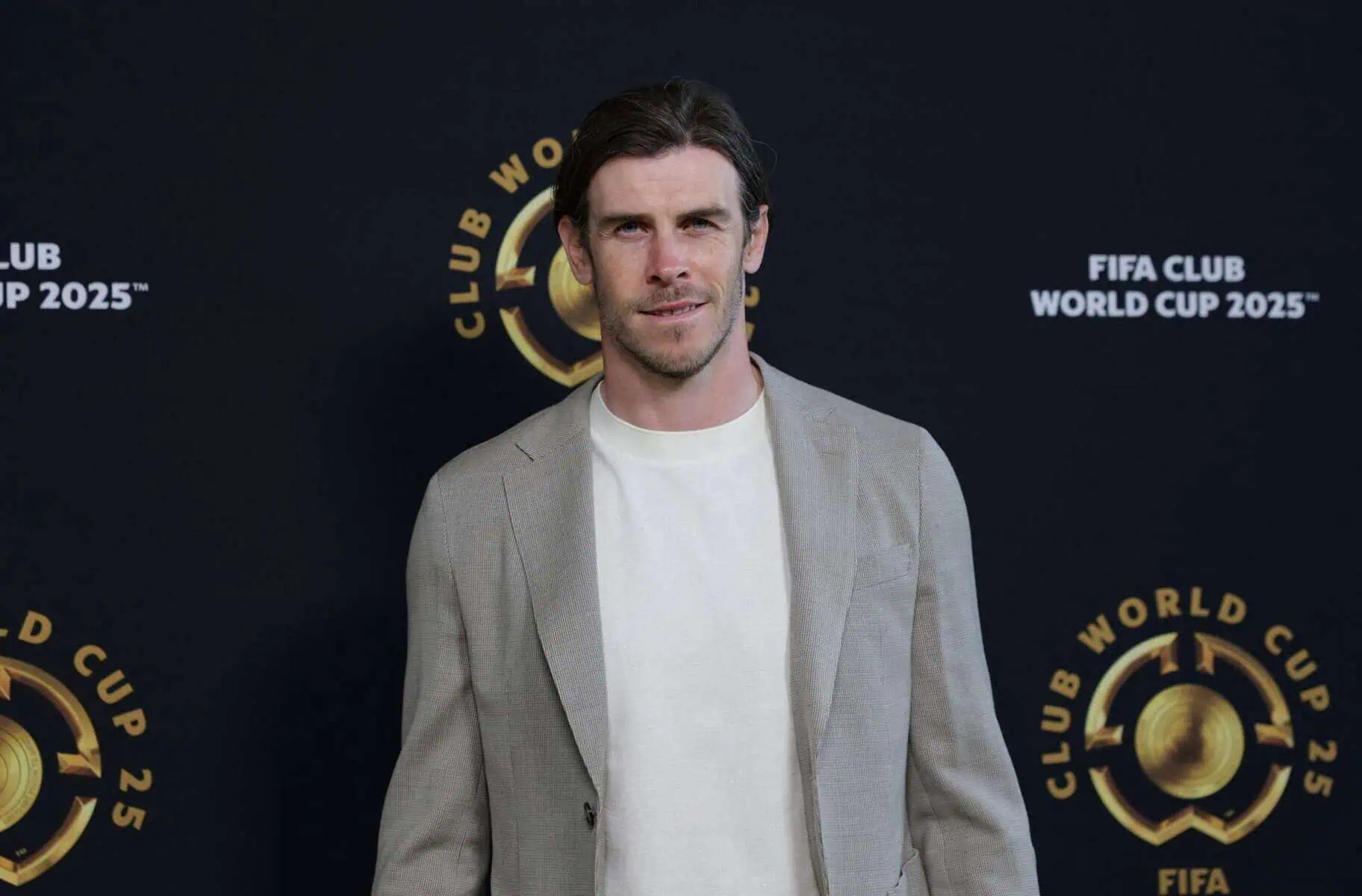
Gareth Bale Says He Fears Going Broke After Football. Here Is Why That Matters More Than You Think

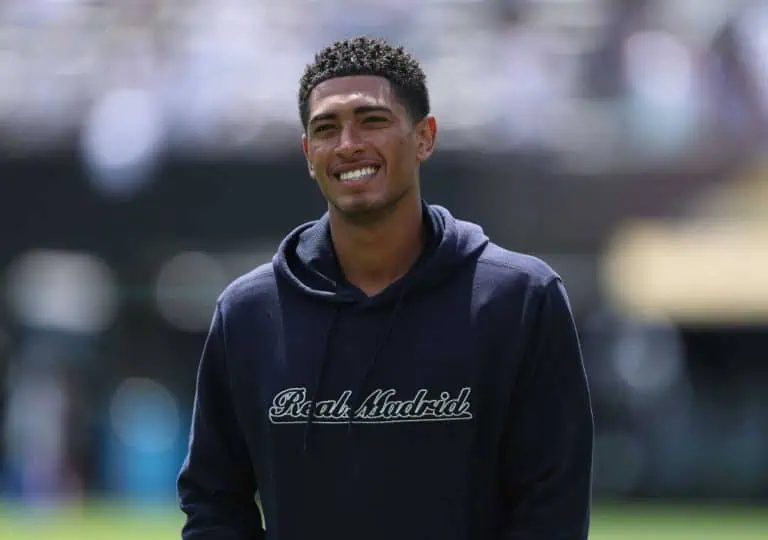
Gareth Bale has never been short of headline moments, from that scorching run in the Copa del Rey to his overhead kick in Kyiv. His most striking disclosure this week was not about goals or trophies. He admitted he has long feared going bankrupt after retirement, despite career earnings that most people can scarcely imagine.
Bale said stories of former pros losing their fortunes haunted him, so he made a point to live modestly and plan for the day when his salary stops. The quote comes from a new conversation with Front Office Sports and has been relayed by several outlets today, capturing his core line that “there was one thing that always scared me inside,” namely, the risk of going broke after the paychecks end.
The reaction has been immediate because Bale was among the best-paid footballers on the planet at Real Madrid. Reports summarizing his numbers today cite a six-year contract signed in 2016 that worked out at roughly £ 600,000 per week, and an estimated current net worth in the ballpark of £ 120 million or approximately € 150 million.
Wealth at that level sounds fail-proof to outsiders, yet the cautionary tales in professional sport are real enough to make even a five-time European champion pause.
How Bale Structured Life After The Final Whistle
Bale’s answer has been simple in principle and rigorous in practice. He says he avoided a lavish lifestyle, tried to think early about the moment wages stop, and diversified into several “pillars” so that if one investment failed the overall structure would still stand. That philosophy is straight from his remarks in the Front Office Sports interview being quoted throughout today’s coverage.
What does diversification look like for him? First there is hospitality in his native Wales and beyond. He helped launch Elevens Bar in Cardiff and the Par 59 golf bar concept, ventures that pair his love for the game with steady consumer demand.
These businesses pre-dated his retirement and have grown into recognizable brands in the city. Second, there is the media and golf. Bale has become a frequent guest in broadcast settings and has developed a passion for golf, both as a commercial and competitive pursuit.
He has been linked as an investor and high-profile supporter in the new tech-forward TGL golf league built by Tiger Woods and Rory McIlroy through TMRW Sports, a format that finally launched its inaugural season in 2025. That league is backed by a long roster of elite athletes and entertainers and is designed for television with short match windows, which fits Bale’s brand and audience crossover.
Third, there is football itself, not as a player but as an owner in waiting. Over the summer, he fronted a consortium that submitted a formal bid to buy Cardiff City.
Front Office Sports reported on a renewed offer in Jul,y and multiple outlets in the United Kingdom detailed the price point and the resistance from current ownership. The move underscores his long-term plan to anchor wealth in a community project that can grow in value while keeping him closely tied to the sport.
Why His Warning Resonates Even With Nine-Figure Wealth
Many fans will ask how someone with that level of money could even utter the word bankrupt. The answer sits in three realities Bale has clearly internalized.
First, income in professional sports stops abruptly, while lifestyle costs and entourage expectations often do not. Bale said he never wanted to restructure his life in panic once the salary ended, which is why he built those pillars early. His phrasing today is instructive for younger pros who still think peak wages last forever.
Second, volatility is real. One hospitality venue can go cold, a broadcast deal can shift, or a market can slow, and suddenly a single-basket strategy looks reckless. Bale’s approach hedges across sectors he understands. He is not chasing fads. He is building brands in Wales, aligning with a modern golf property, and exploring club ownership where he brings credibility that money alone cannot buy.
Third, the narrative of athlete wealth is often simplified. Headlines list the gross figure on a contract while taxes, agent fees, image rights complexities, and lifestyle burn rate chip away in the background.
Bale did not descend into accounting details this week, yet his tone implied he has seen enough examples to treat caution as a competitive skill. The most valuable lesson from his comments is not a number. It is the mindset that tomorrow arrives fast, and planning must begin while the stadium still chants your name.
What Bale’s Playbook Teaches The Next Generation

There are practical takeaways here that apply to any athlete with rising income and even to professionals in other fields. Start early during peak earning years. Bale made business moves while still at Real Madrid and then later at Los Angeles Football Club, so retirement was a transition rather than a cliff. Investing as a current superstar also unlocks better deal flow and mentorship opportunities than trying to start from scratch after retirement.
Invest inside your circle of competence. Bale has chosen hospitality in markets he knows, including golf, where he is an avid participant, media, where his name carries genuine value, and football, where his knowledge is unparalleled. The Cardiff City bid is not just a financial matter. It is personal, which matters for commitment and credibility with fans and sponsors.
Balance passion with prudence. The TGL project is innovative and television-friendly, yet it exists alongside more traditional brick-and-mortar businesses. That split recognizes that some bets are about growth while others are about cash flow. A portfolio that blends both helps an ex-player sleep at night when one project slows.
Build brand equity that compounds. Bale is still a magnet for partners in sport and lifestyle. The more he tells a consistent story about values and community, the more those partnerships pay over time without the physical toll of elite football.
That is how a playing career becomes a platform rather than a finish line. Recent features have underlined how he continues to leverage that platform into real estate, hospitality, and content opportunities.
Final Thoughts
Bale’s confession is effective because it is honest and challenges a lazy myth. Money alone never guarantees security. Strategy does. He saw the risk early, resisted the urge to live as if every year was a peak year, and built a portfolio that could withstand if any one piece fell away.
That is how a modern great protects a legacy on and off the pitch. For young players deciding what to do with a first serious contract, the smartest move might be to replay Bale’s words from this week and start drawing their own pillar chart before the next training session.