Iga Swiatek Calls Out Tennis’s Exhausting 11-Month Marathon—And She’s Not Wrong

Let’s be real here—when the world’s number two tennis player says the schedule is “crazy,” maybe it’s time to listen. Iga Swiatek has thrown down the gauntlet once again, calling out the WTA’s relentless 11-month season that’s grinding players into the ground. And honestly, it’s about time someone with her clout said what everyone’s been thinking.
Swiatek’s Schedule: A Mathematical Nightmare
Picture this: you’ve already played 72 matches this year, and it’s not even October yet. That’s exactly where Swiatek finds herself, sitting pretty with a 59-13 record and three shiny titles under her belt—Wimbledon, Cincinnati Open, and the Korea Open. But here’s the kicker: she’s not done yet. Not even close.
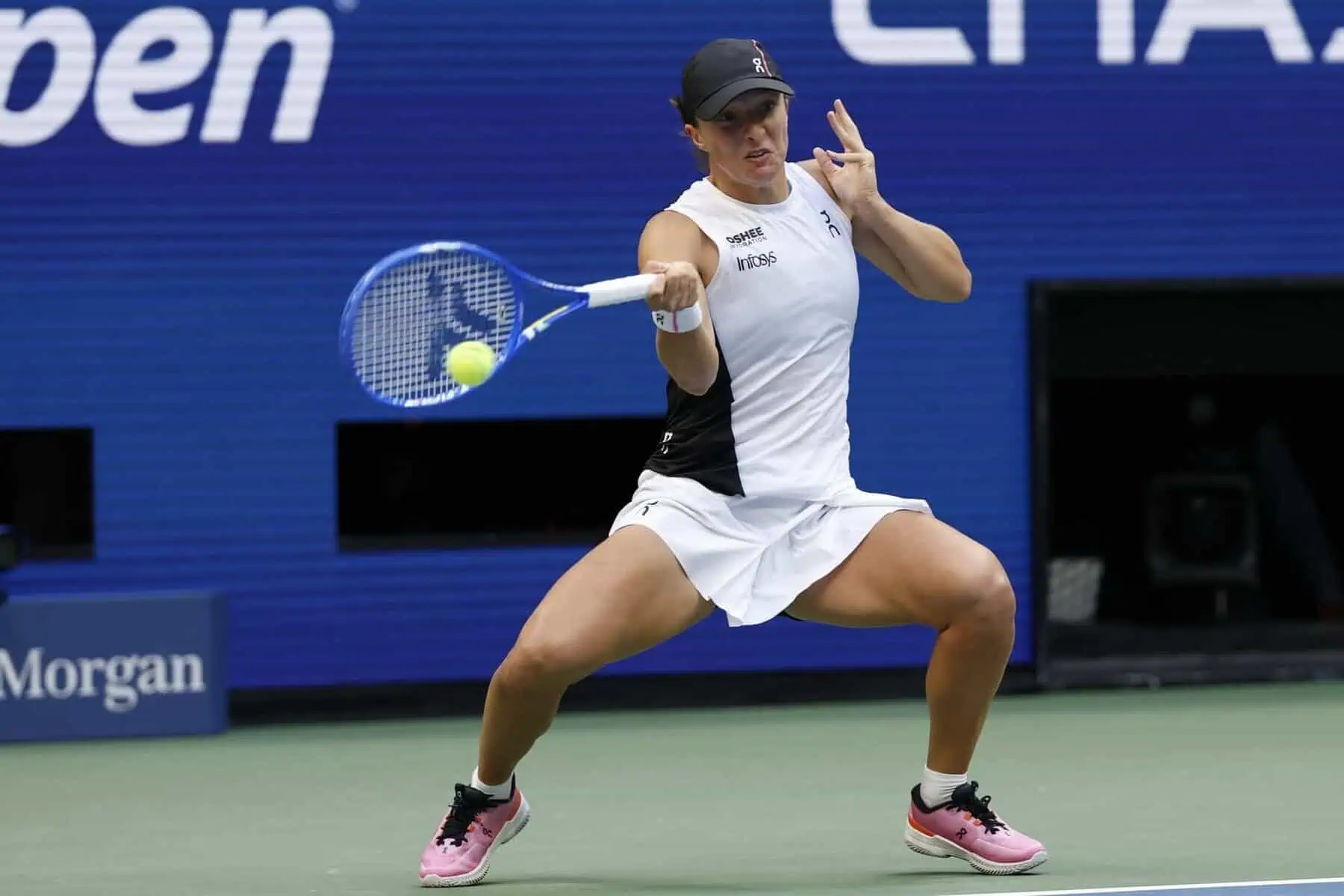
The Polish powerhouse is currently grinding through the China Open, where she demolished Yue Yuan 6-0, 6-3 in her opening match. If she goes all the way to the final in Beijing, that’s another five matches. Then there’s Wuhan (potentially six more), and the WTA Finals where she’s guaranteed at least three matches. Do the math, and Swiatek could hit a staggering 88 matches by year’s end if everything goes perfectly.
The “Crazy” Schedule That’s Breaking Players
“I think we play too much, and the schedule is crazy,” Swiatek told reporters, and honestly, the understatement of the year award goes to… But seriously, when you break it down, it’s borderline insane. After a measly four-week preseason and an eight-day vacation (because apparently, tennis players don’t deserve real breaks), these athletes are expected to perform at peak level for nearly an entire year.
Swiatek’s frustration is palpable when she describes looking ahead to December and seeing “what awaits me over the next 11 months.” It’s overwhelming, she admits, and who can blame her? The woman’s basically running a tennis marathon that never ends.
More Than Just Swiatek’s Gripe
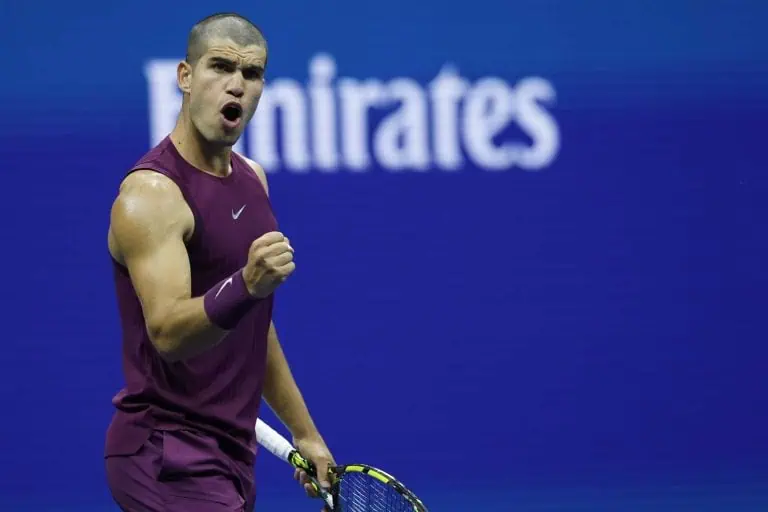
Here’s where it gets interesting—Swiatek isn’t some lone voice crying in the wilderness. She’s joined a growing chorus of tennis superstars, including Carlos Alcaraz, Alexander Zverev, Coco Gauff, and Jessica Pegula, who are all saying the same thing. The two-week WTA 1000 tournaments, the ridiculous number of mandatory events, and the laughably few free weeks are pushing players to their breaking point.
And let’s talk about those mandatory events for a second. Because apparently, having the freedom to choose your schedule based on your body’s needs and personal goals is too much to ask for in professional tennis. The WTA seems to think players are robots who can just keep going and going without consequence.

The China Open: Another Stop on the Endless Journey
Now Swiatek’s in Beijing, facing Colombia’s Camila Osorio in the third round. It’ll be match number 73 for the year—a number that should make anyone’s head spin. The two have only met once before, at the 2023 Australian Open, where Swiatek won comfortably 6-2, 6-3. But here’s the thing: past results don’t matter when you’re running on fumes.
The irony? Swiatek’s been absolutely on fire lately, reaching the final in four of her last six tournaments with a 16-2 record since returning to hardcourts. She’s playing some of the best tennis of her life while simultaneously calling out the system that’s demanding this level of performance year-round.
The Numbers Game: Chasing Sabalenka While Running on Empty
Speaking of the bigger picture, Swiatek still has a shot at catching Aryna Sabalenka for the number one ranking before the year ends. And here’s where the schedule controversy gets even more ridiculous—Sabalenka is taking a well-deserved break this week, skipping the China Open after her North American campaigns. Smart move, honestly.
But for Swiatek, there’s no such luxury. She’s the first seed in Beijing, which means she’s expected to be there, grinding it out, match after match, regardless of how her body feels or what her mental state is. Because in tennis, apparently, taking care of yourself is a luxury, not a necessity.
The Real Cost of This Tennis Madness
What’s truly maddening about this whole situation is that the tennis powers-that-be seem oblivious to the long-term damage they’re inflicting. Sure, fans get more tennis to watch, and tournaments get their star power, but at what cost? We’re talking about athletes in their early twenties being expected to maintain peak performance for 11 months straight.
Swiatek’s approach of taking it “step by step” and dividing the year into manageable chunks is admirable, but it’s also a Band-Aid on a much bigger wound. The system is broken, and everyone knows it. The question is: how long will it take for someone in charge to actually do something about it?
Looking Ahead: More of the Same
As Swiatek prepares for her match against Osorio, she’s doing what she always does—focusing on the task at hand while secretly dreading the marathon that lies ahead. After China, there’s Wuhan, then the WTA Finals, and then finally, mercifully, the season ends.
But here’s the real kicker: after a brief respite, it all starts again. The four-week preseason, the eight-day vacation, and then another 11-month grind. It’s enough to make anyone question their life choices, even someone as talented and dedicated as Swiatek.
The tennis world needs to wake up and smell the coffee—or in this case, smell the burnout. Because when your top players are publicly calling your schedule “crazy,” maybe it’s time to admit that crazy isn’t always good for business.