Trump Administration Draws Line in Sand Over Israel in 2026 World Cup Ban

The stakes couldn’t be higher. As FIFA faces mounting pressure to ban Israel from the 2026 World Cup, Donald Trump’s administration has fired back with a clear message: not on American soil.
This isn’t just another diplomatic spat playing out in boardrooms. This is about the beautiful game colliding head-first with geopolitics, and the fallout could reshape international soccer as we know it.
Political Heavyweight Steps Into the Ring
When Marco Rubio’s State Department issued its statement, they weren’t mincing words. “We will absolutely work to fully stop any effort to attempt to ban Israel’s national soccer team from the World Cup,” a spokesperson told Sky News. That’s the kind of blunt force diplomacy that sends shockwaves through FIFA’s Swiss headquarters.
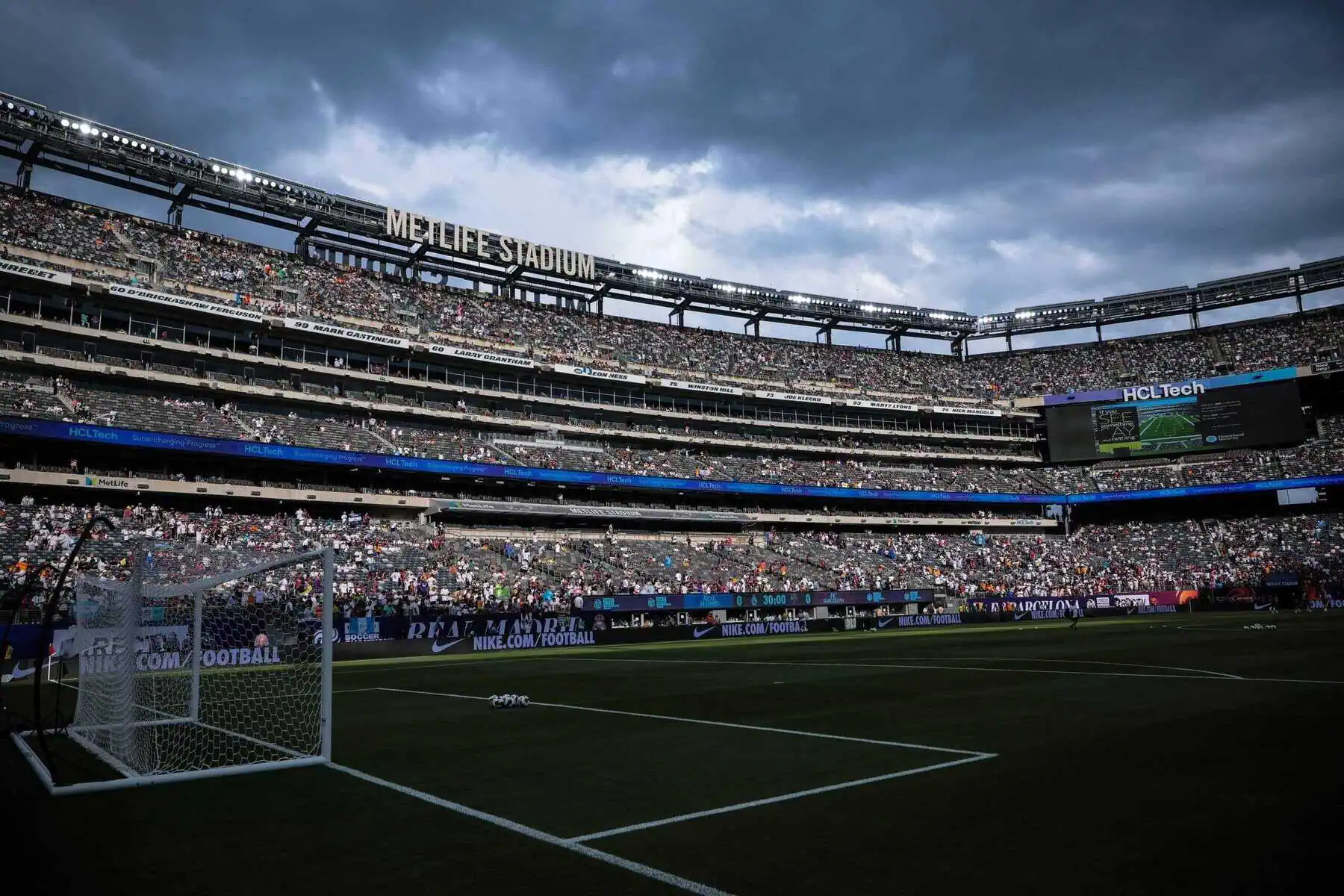
The timing is brutal for soccer’s governing body. With the World Cup set to unfold across American, Canadian, and Mexican stadiums in just two years, FIFA President Gianni Infantino finds himself caught between a rock and a hard place. His close relationship with Trump only adds more pressure to an already explosive situation.
You can almost feel the tension in those Zurich conference rooms. One wrong move, and FIFA risks a full-scale confrontation with the host nation of their most lucrative tournament.
UEFA’s European Rebellion Gains Steam
Across the Atlantic, UEFA executives are mobilizing for what could be the most significant vote in European soccer history. Sources indicate that a majority of federation members would support suspending Israel from European competition – a move that would send tremors through the sport’s foundation.
The emotion is raw, palpable. These aren’t faceless bureaucrats shuffling papers; these are people grappling with images from Gaza, wrestling with conscience versus competition. The weight of their decision hangs heavy over every preliminary discussion.
Spain has already thrown down the gauntlet, threatening to boycott the World Cup entirely if Israel participates. When a nation that lives and breathes soccer is willing to walk away from football’s greatest stage, you know the stakes have reached a breaking point.

World Cup Dreams Hang in the Balance
For Israel’s national team, the uncertainty is agonizing. They’re currently locked in a fierce qualifying battle, sitting third in Group I with nine points – level with Italy but with the Azzurri holding a game in hand. Critical matches against Norway and Italy loom just weeks away.
Imagine being those players, training with World Cup dreams while lawyers and politicians determine their fate. Every sprint, every practice session carries extra weight when you don’t know if your tournament spot will even exist.
The human element here is staggering. These athletes have dedicated their lives to reaching soccer’s pinnacle, only to find their path blocked by forces completely beyond their control.
FIFA Walks a Tightrope
The United Nations has intensified pressure, urging sports organizations to suspend Israeli teams after concluding that Israel is committing genocide in Gaza – accusations Israel vehemently denies. FIFA now faces an impossible choice that will define Infantino’s legacy.
The Swiss leader’s recent comments in New York revealed the emotional toll: “I suffer when I see children suffer. I cry when I see mothers crying, whether it’s in Gaza… anywhere in the world.” Those aren’t the words of a cold administrator; they’re the anguished thoughts of a man watching his sport become a battlefield.
FIFA’s response – or lack thereof – will echo through soccer history. Every decision carries consequences that stretch far beyond penalty boxes and goal lines.
The American Factor Changes Everything
Trump’s intervention transforms this from a European soccer dispute into a full-blown international crisis. The 2026 World Cup represents more than just a tournament for the United States – it’s a statement of American influence on the global stage.
The financial implications are staggering. Billions in revenue, television deals spanning continents, and the prestige of hosting soccer’s crown jewel all hang in the balance. When the U.S. government draws a line in the sand, FIFA has to listen.
This showdown will test every relationship, every alliance in international soccer. The beautiful game has survived world wars and political upheavals, but rarely has it faced such a confrontation between sporting integrity and geopolitical reality.
The clock is ticking toward 2026, and someone will have to blink first.