Arsenal Face a Great Champions League Test Without Key Stars in 2025

The corridors of London Colney felt different on Monday morning. Arsenal faces an unmistakable tension that creeps through any training facility when a team’s biggest stars are conspicuously absent, and for Arsenal, that reality hit hard as they prepared for their Champions League opener against Athletic Bilbao.
Martin Ødegaard, the Norwegian maestro who orchestrates everything good about this Arsenal side, was nowhere to be seen. Neither was Bukayo Saka, the electric winger whose pace and trickery have tormented defenses across Europe. Both players, sidelined by injury, left a palpable void that even the most optimistic Gunners fan couldn’t ignore.
The Captain’s Cruel Twist of Fate
Ødegaard’s absence stings the most. Saturday’s victory over Nottingham Forest should have been a moment of celebration, but instead, it became another chapter in what feels like a cruel injury saga for Arsenal’s captain. Just 17 minutes into the match, the midfielder went down clutching his right shoulder after an awkward fall following a challenge from teammate Morgan Gibbs-White.
The irony wasn’t lost on anyone watching. Here was Arsenal’s creative heartbeat, their leader, brought down not by an opponent’s malicious tackle, but by friendly fire. Football can be brutally unfair, and Ødegaard knows this better than most. This marks his second shoulder injury in recent weeks, raising serious questions about whether the 25-year-old’s body is holding up under the relentless pressure of Premier League and Champions League football.
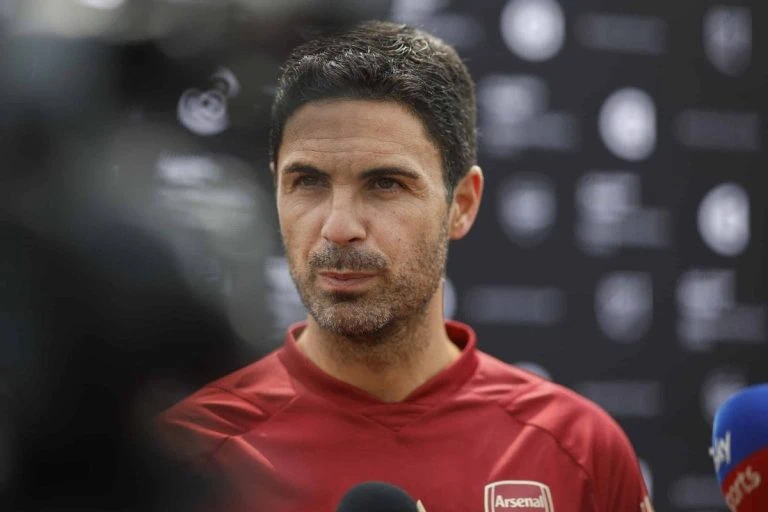
For Mikel Arteta, losing Ødegaard isn’t just about losing a player – it’s about losing the conductor of his orchestra. The Norwegian’s vision, his ability to thread passes through the smallest gaps, and his knack for finding space in crowded penalty areas make him irreplaceable. Without him, Arsenal transforms from a surgical instrument into something far more blunt.
Saka’s Hamstring Woes Continue
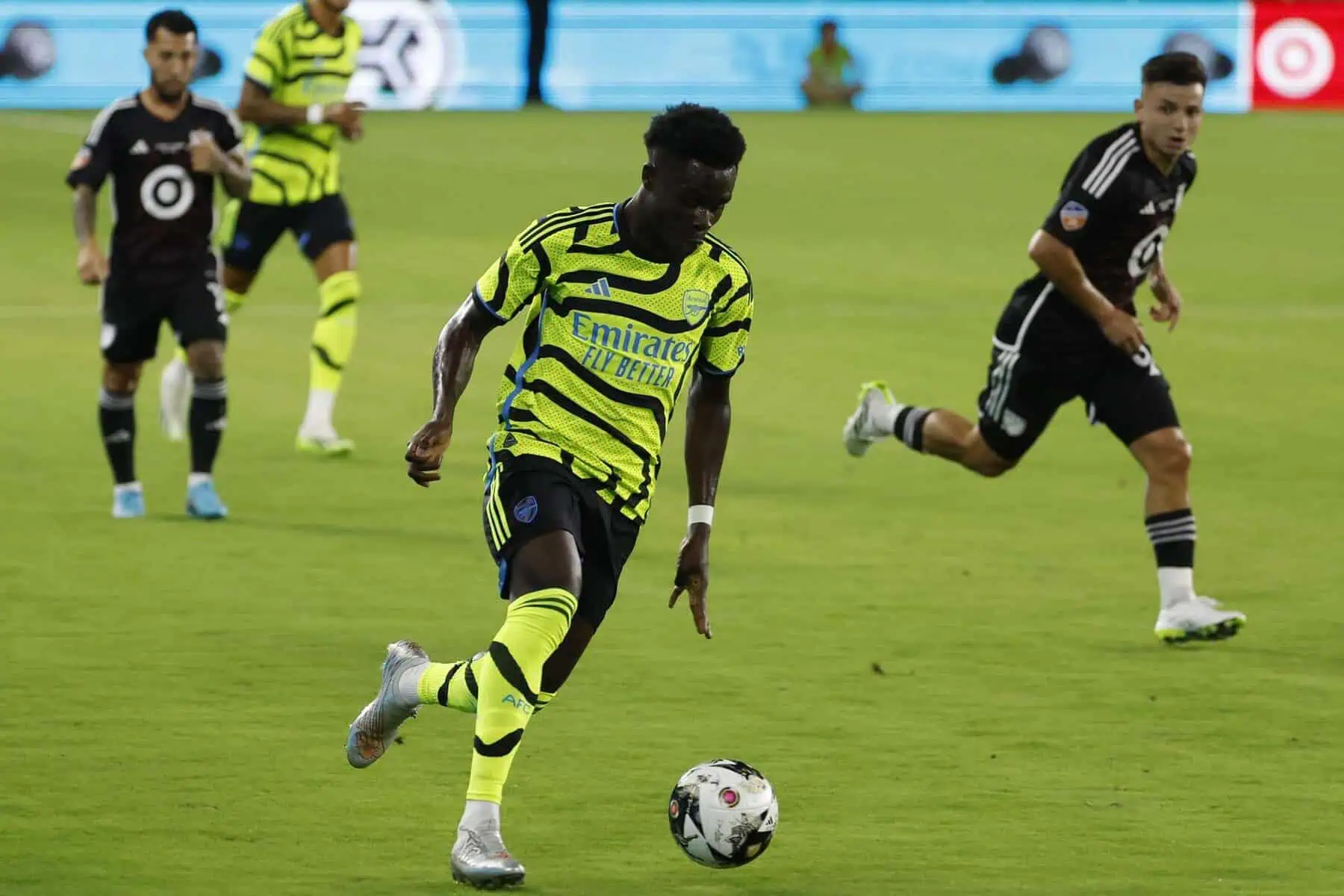
Bukayo Saka‘s continued absence adds another layer of concern. The England international has been battling hamstring issues since late August, missing Arsenal’s last two matches. For a player whose explosive acceleration and cutting ability define his game, hamstring problems are particularly troubling.
Saka’s injury timeline stretches back to the victory over Leeds United on August 23rd, when he limped off the pitch with what initially seemed like a minor knock. Weeks later, Arsenal fans are still waiting for their star winger’s return, and patience is wearing thin. In an era where fixture congestion threatens to break even the most resilient players, Saka’s prolonged absence feels like a warning shot about the demands placed on modern footballers.
Saliba’s Silver Lining
Not everything was doom and gloom at London Colney, however. William Saliba’s return to full training provided a much-needed boost for Arteta’s defensive plans. The towering French defender, who lasted just five minutes against Liverpool before suffering an ankle sprain, showed no lingering effects as he rejoined his teammates.
Saliba’s presence cannot be overstated. Standing at 6’4″ with the agility of a much smaller man, he’s become the backbone of Arsenal‘s defense. His partnership with Gabriel Magalhães has evolved into one of the Premier League’s most formidable center-back pairings, and having him available for the trip to Bilbao could prove crucial against Athletic’s physical attacking approach.
Depth Gets Its Moment
The silver lining in Arsenal’s injury crisis might be the opportunity it provides for squad players to step up. Christian Nørgaard, the summer signing from Brentford who has yet to make his competitive debut due to his own injury concerns, returned to training alongside Saliba. His presence adds another dimension to Arsenal’s midfield options at a crucial time.
Eighteen-year-old Ethan Nwaneri, who impressed when called upon against Nottingham Forest, could find himself thrust into the spotlight once again. The teenager’s composure beyond his years caught many by surprise, and Arteta’s willingness to trust youth in crucial moments speaks volumes about both the player’s ability and the manager’s faith in his academy system.
The Bilbao Challenge
Athletic Club coach Ernesto Valverde didn’t mince words when discussing Arsenal’s status in this competition. “They are one of the favorites to win the Champions League,” he declared, a statement that carries both respect and warning. Valverde knows his team faces a wounded animal, and wounded animals can be particularly dangerous.
Arsenal‘s depth will be tested like never before in the cauldron of San Mamés, where Athletic’s passionate supporters create an atmosphere that can unnerve even the most experienced teams. Without their captain’s calming influence and Saka’s ability to stretch defenses, Arsenal will need to find new ways to unlock Athletic’s disciplined defensive structure.
The Gunners have spent recent seasons building toward moments like this – Champions League nights where their project gets measured against Europe’s elite. Injuries have always been part of football’s cruel mathematics, but how teams respond to adversity often defines their character more than any victory achieved at full strength.
Tuesday night in Bilbao will reveal whether Arsenal’s evolution under Arteta has created the kind of resilience that champions require, or whether their dependence on key individuals remains their greatest vulnerability.