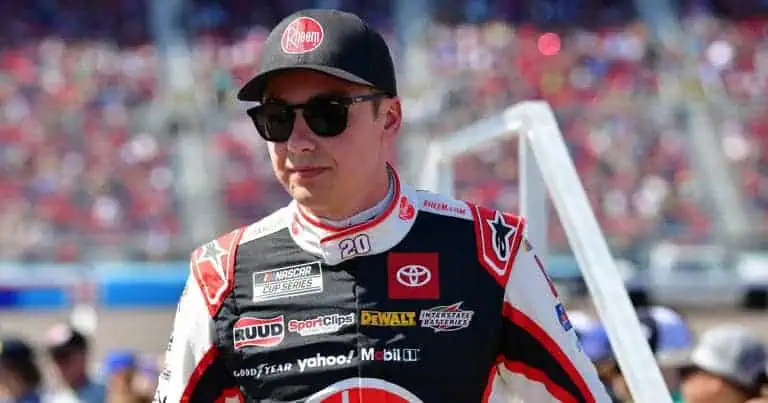
Kyle Larson and Ryan Blaney Put Gateway Drama Behind Them

The tension that erupted between Kyle Larson and Ryan Blaney at World Wide Technology Raceway at Gateway has officially cooled down. What looked like it might become a season-long feud between two championship contenders has instead turned into a masterclass in how veteran drivers handle conflict in NASCAR. Last weekend’s incident left fans wondering if we’d see retaliation down the road.
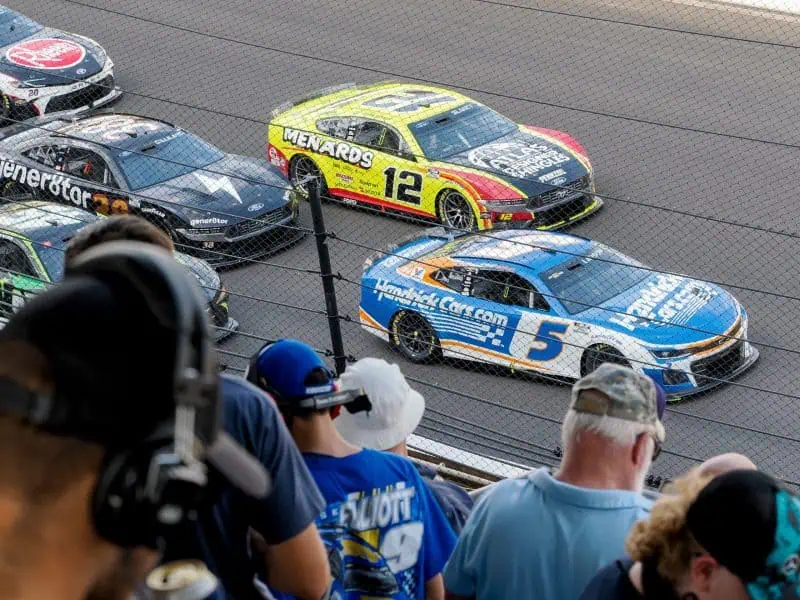
When Larson’s No. 5 Hendrick Motorsports Chevrolet sent Blaney spinning in Turns 3 and 4 on Lap 135, the frustration was evident in Blaney’s radio chatter. The kind of anger that usually leads to payback somewhere down the line. However, here’s what makes this sport special at times. Instead of letting that rage simmer and planning revenge, both drivers took the mature approach. They talked it out like adults right there on pit road after the checkered flag fell.
Larson’s Honest Assessment of the Gateway Contact
Kyle Larson didn’t try to dodge responsibility for what happened at Gateway. During a midweek teleconference, he laid out exactly what went wrong in those crucial moments. His explanation shows the razor-thin margins these guys operate on every single lap.
“Every move we make throughout every corner of the race is strategical,” Larson explained. “I had made a move the lap before, which is exactly what I was trying to do that lap and it was just further back than I was lap before. I entered faster to get there, and then I wasn’t going to get there. I was just trying to get back in line and just misjudged where his left-rear corner of the car was by a foot or so.”
That foot or so cost Blaney dearly. The No. 12 Team Penske Ford went from running up front to suddenly fighting back through the field. Credit to Blaney’s crew chief and the entire team for rallying back to salvage a top-five finish while Larson ended up 12th.
The honesty in Larson’s assessment resonates because it happens to every driver out there. These cars are moving at incredible speeds, and split-second decisions don’t always work out perfectly. What matters is owning up to it when things go sideways.
How Blaney Handles Racing Conflicts
Ryan Blaney’s approach to handling on-track incidents reveals a lot about his character and racing philosophy. Rather than letting anger fester and plotting revenge, he believes in addressing problems head-on and moving forward.
“I’ve always been someone who doesn’t hold a ton of grudge,” Blaney said at Bristol Motor Speedway. “I’ve found it more healthy for me to get it out of my system right away, and then I can move on. If I hold it in, then I think about it for a long time, and then that’s how things can kind of build and all that stuff.”
This mindset separates Blaney from drivers who might carry grudges for months or even seasons. He’s learned that confronting issues immediately prevents them from escalating into bigger problems later. The conversation he had with Larson after Gateway accomplished exactly what he wanted.
Blaney’s measured response also came from his assessment that the contact wasn’t intentional. “Granted, if I felt like it was malicious, then maybe it’s a different conversation. But I don’t think it was. It was just a mistake of two guys running hard and I got the bad end of it.”
The Art of Getting Even Without Getting Dirty
While some drivers might plan retaliation for what happened at Gateway, Blaney has a different philosophy about settling scores on the racetrack. His approach focuses on proving superiority through performance rather than through contact.”I would rather go out and if I feel like someone did me wrong or someone made a mistake around me, I think the biggest statement you can do is just go kick their ass the next week and like the rest of the year and do it in the right way,” Blaney explained.
“I don’t need to rough you up to beat you. I’m gonna beat you straight up and that’s just kind of how I always think.”This mindset reflects the evolution of NASCAR’s culture over recent years. While the sport has always celebrated hard racing, there’s growing respect for drivers who can channel their competitive fire into clean, aggressive driving rather than revenge tactics.
Blaney acknowledges he inherited this approach from his father Dave, describing himself as a “spitting image” of the former NASCAR driver. Both men are soft-spoken away from the track but incredibly competitive when the helmets go on.
Championship Pressure and Maturity
With the NASCAR Cup Series Playoffs in full swing and elimination races looming, both Larson and Blaney understand that championship runs can’t be derailed by personal vendettas. Bristol Motor Speedway’s elimination race demanded their full attention, not lingering thoughts about Gateway.
The maturity both drivers have shown in handling this situation demonstrates why they’re championship-caliber competitors. Lesser drivers might let emotions cloud their judgment during crucial playoff races. These two recognized that moving forward served their championship aspirations better than holding grudges.
Larson’s Acknowledgment
Larson’s acknowledgment of his mistake and Blaney’s willingness to accept that explanation show the kind of professionalism that makes NASCAR’s top level special. Both drivers are focused on winning races and advancing through the playoffs rather than settling old scores.
The Gateway incident between Kyle Larson and Ryan Blaney could have become a defining storyline of the 2025 playoffs. Instead, it became an example of how championship contenders handle adversity and conflict with class and maturity.