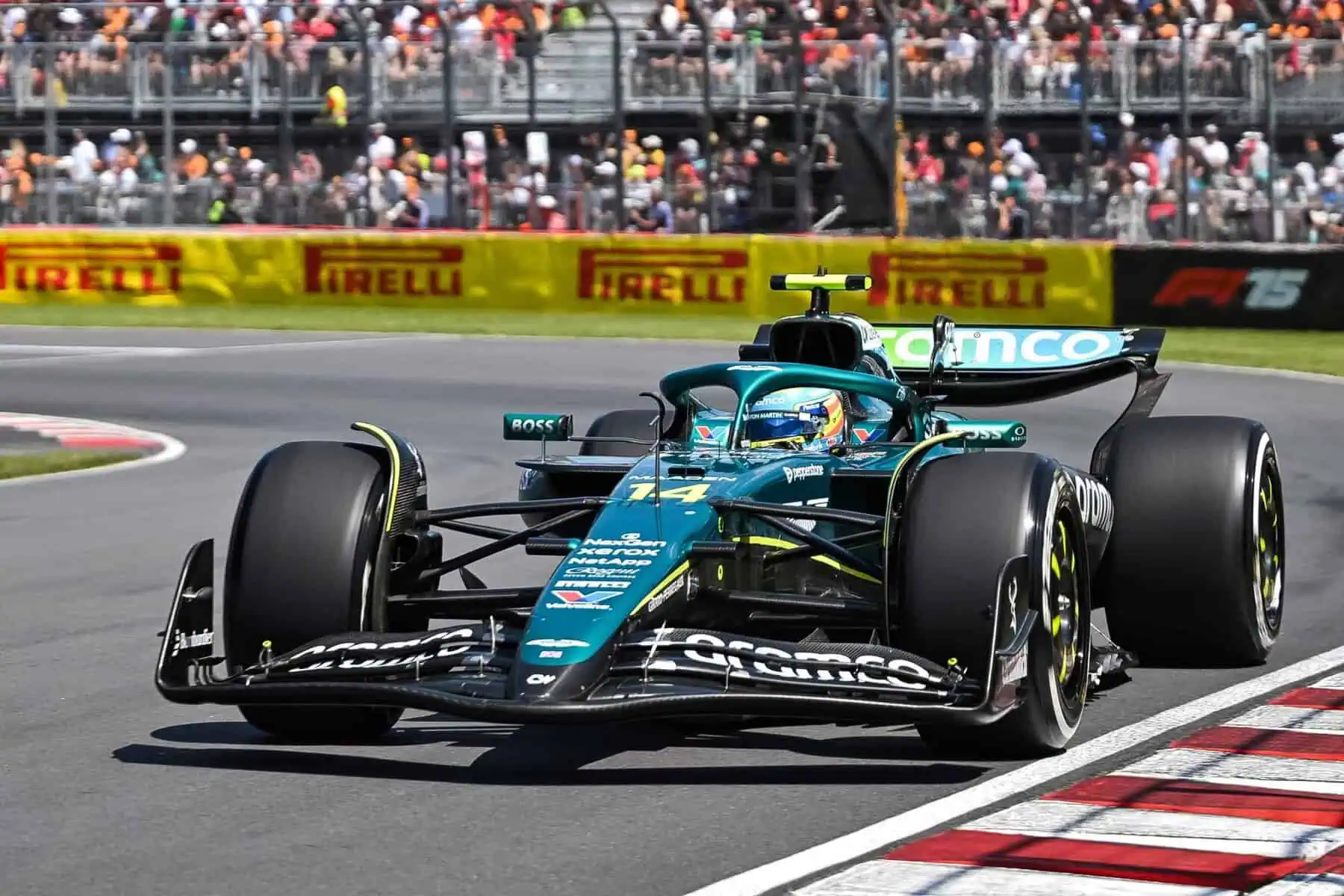
Aston Martin Poised to Sell F1 Stake in Attempt to Rebuild

In the high-stakes world of Formula 1, where fortunes are won and lost faster than a pit stop, Aston Martin seems to be hitting a nasty patch of oil. The legendary British automaker is officially selling its piece of the Aston Martin Aramco Formula One Team. Let that sink in. The car company is selling its stake in the race team that bears its own name. It’s like finding out Ferrari sold its shares in Scuderia Ferrari. It just feels… wrong.
Of course, the reality is a bit less dramatic, if you can believe it. Aston Martin Lagonda Global Holdings PLC (say that five times fast) only held a minority stake in the F1 outfit. A measly 4.6%, to be exact. So, while it sounds like a corporate earthquake, it is more like a minor tremor. Still, it’s a move that has the paddock whispering, and for good reason.
Aston Martin: A Financial Tightrope Act
Let’s not sugarcoat it: Aston Martin, the car company, is struggling. This isn’t exactly breaking news for anyone who’s been paying attention. The brand has been teetering on a financial knife-edge for what feels like an eternity. Recently, they had to issue a profit warning, citing pesky U.S. tariffs and a cooling-off in the Chinese market as the culprits. The result? They’ll be lucky to break even this year. Ouch.
So, this sale is less about abandoning the F1 dream and more about a desperate need for cash. Selling that 4.6 percent stake injects a cool $146 million into the road car division. It’s a financial lifeline, a much-needed bandage for a company that’s bleeding money. The buyer? While officially unnamed, all signs point to Yew Tree Investments, the investment group led by none other than Lawrence Stroll himself.
What This Means For the F1 Team
For the fans decked out in British racing green, take a deep breath. The team isn’t going anywhere. Thanks to a long-term commercial agreement, the name “Aston Martin Aramco Formula One Team” will stick around.
Day-to-day operations at the Silverstone factory won’t be affected. The engineers will still be engineering, the drivers will still be driving (we’re looking at you, Lance), and the strategists will still be… strategizing. This is purely a financial reshuffle on the corporate side. It’s about propping up the car manufacturing business, which, let’s be honest, is the whole reason the F1 team exists in the first place. Could Aston Martin Go Private?
The plot thickens. With all this financial maneuvering, some analysts are suggesting a more radical step: taking Aston Martin private. Delisting from the stock market could be the ultimate survival play. Orwa Mohamad, an analyst at Third Bridge, pointed out that going private could make the company more agile, attract long-term partners, and cut down on the soul-crushing administrative burdens of being a publicly listed company.
When Aston Martin went public in 2018, it was valued at a staggering $5.76 billion. Today? It’s hovering around $1 billion. That’s a fall from grace that would make Icarus wince. Going private could be the reset button the company desperately needs, allowing it to regroup and rebuild away from the relentless glare of public scrutiny.
So, while the sale of an F1 stake might seem like a small headline, it is a symptom of a much larger story. It’s a story of survival, of a legacy brand fighting to stay relevant in a brutal market. For now, the Aston Martin name remains in Formula 1, a symbol of British prestige hurtling around the world’s greatest circuits. But behind the scenes, the real race is happening in the boardroom, and it’s one Aston Martin simply cannot afford to lose.