The Rise of Player Power in Modern Football

Football has always been about more than what happens on the pitch, but in recent years, the off-field battles have started to define entire seasons. In the past, when a player wanted to leave, they usually handed in a transfer request, let their agent handle the noise, and still turned up to training. Now, the playbook has changed. Refusing to train, cutting ties with the squad, or even blacking out social media profiles has become the go-to way for stars to force through a move.
It might look petulant from the outside, yet in the short career of a professional footballer, every decision counts. Social media has given players a platform to control the narrative, and mega-money clubs circling for talent means leverage is higher than ever. What we are seeing in 2025 is not a handful of isolated incidents, but a new norm, players dictating their futures with actions as much as words.
Alexander Isak and Yoane Wissa: The Blueprint for Modern Standoffs
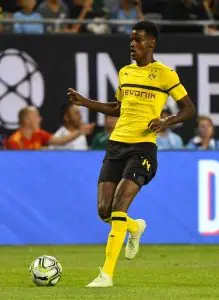
The clearest example this summer is Alexander Isak. Newcastle’s main man has made his feelings very clear, he doesn’t want to play for the club anymore. Despite Liverpool’s £110 million bid being knocked back, Isak has stopped training with the team and hasn’t been involved in matchday squads. Eddie Howe himself admitted the whole saga is “not ideal for the group,” a diplomatic way of saying the striker’s absence has disrupted preparations and unsettled the dressing room. Newcastle are left in a difficult position: hold firm and risk having an unhappy star on the sidelines, or cash in and hope they can replace him before the window shuts.
Yoane Wissa has taken a similar approach at Brentford. In what has almost become a copy-and-paste of the Isak saga, Wissa wants to follow the same path to Newcastle. He deleted every mention of Brentford from his social accounts and even changed his profile picture to a blank circle in protest. He has trained away from the first team and has been missing from recent squads, which tells you everything about where things stand. Brentford want more than £60 million for him, and until that’s met, the standoff continues. Wissa’s actions underline how quickly the balance of power can tilt when a player decides enough is enough.
Alejandro Garnacho and the Old Trafford Storm
Perhaps the most explosive case of all is unfolding at Manchester United. Alejandro Garnacho, once viewed as the club’s brightest young talent, has decided his future lies elsewhere. Chelsea have been circling, and sources close to the situation suggest he is ready to stay out of the squad all the way until January if that’s what it takes to make a move happen. That’s not speculation. That’s Garnacho making a stand.
The fallout has been ugly. A mural of him outside Old Trafford was defaced by angry supporters who feel betrayed, while others believe the club should cut ties rather than drag out the drama. United’s board are in a bind. Selling him now could hand a rival a major asset, but keeping him risks months of tension inside the dressing room. Garnacho’s stance shows just how far players are willing to go in today’s market, he’s not bluffing, he’s prepared to sacrifice half a season if it guarantees him a move in 2025.
More Big Names Following the Same Path
Garnacho, Isak, and Wissa aren’t alone. Marcus Rashford spent the winter openly weighing up a new challenge, and his eventual loans to Aston Villa and Barcelona only came after weeks of uncertainty and missed matches. At Napoli last year, Khvicha Kvaratskhelia made it clear he wanted out, which opened the door for Paris Saint-Germain to swoop with a €75 million bid. Both sagas echo the same message: in this era, if a player digs in their heels, the club usually ends up giving way.
Even those who stay put rarely come out unscathed. Antony at Manchester United has been told to accept a move or risk rotting in the stands, while other younger players are testing their own boundaries with withdrawal tactics. What once would have been considered unthinkable, intentionally sitting out matches, is now part of the modern transfer playbook.
What It All Means for Football’s Future
For clubs, the message is clear: be prepared. Directors and managers now have to plan windows around the possibility that a key player might suddenly down tools. Newcastle’s stand against Isak shows that money isn’t always the answer, especially with financial rules making replacements complicated. Brentford’s hard stance with Wissa reflects a club trying to protect its model while holding on to maximum value. Manchester United’s ongoing headache with Garnacho shows the risk of letting things spiral too far.
For players, the gamble cuts both ways. Yes, refusing to play can lead to a dream transfer, but it also chips away at reputation. A striker like Isak or a winger like Garnacho will always attract suitors, but clubs will remember the tactics they used to get their way. Fans too, often the most passionate voice in the room, rarely forgive quickly. Garnacho already knows this, with supporters outside Old Trafford showing their anger in no uncertain terms.
The wider question is whether football’s governing bodies will ever intervene. At the moment, the market favours the bold, and silence, or absence, has become the loudest statement a player can make.
Conclusion
The summer of 2025 has been a turning point in how players control their own destinies. Alexander Isak refused to train, Yoane Wissa blanked out Brentford, and Alejandro Garnacho was willing to sit out until January. It all points to a new reality where absence has become the ultimate power play. The transfer market has always been messy, but now it has evolved into an open theatre, where the biggest moves are made not only with goals on the pitch but also with silence, rebellion, and calculated withdrawals off it. Clubs may resist, fans may protest, but the truth is unavoidable, football has entered an era where the player call the shots.