Richmond Raceway Pit Stall Assignments: Where Your Favorite Drivers Will Set Up Shop

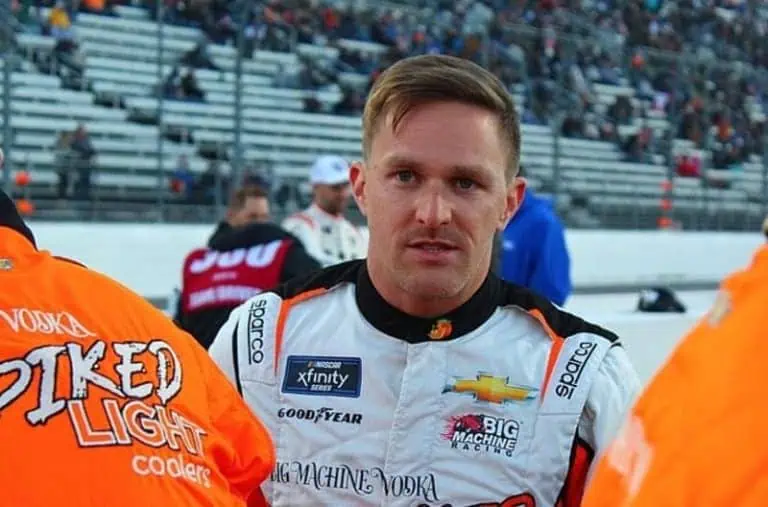
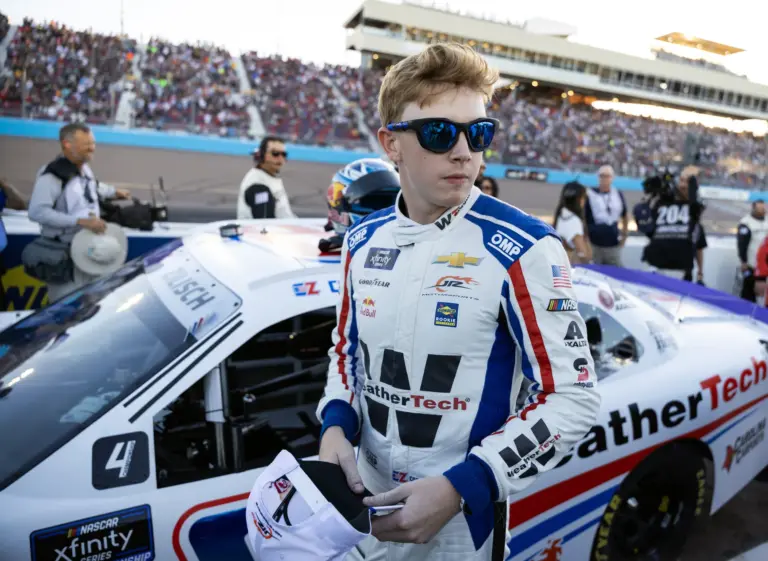
It’s that time again when NASCAR decides to drop the most riveting piece of news known to motorsports fans everywhere. Pit stall assignments. Honestly, while it might seem like the most mundane announcement in racing, these Richmond Raceway pit stall assignments could actually make or break your driver’s weekend faster than you can say “four fresh Goodyears.”
Let’s be real here.Pit stall assignments aren’t exactly the sexiest topic in NASCAR, but they’re about as crucial as having gas in your tank. And frankly, after watching drivers lose races because of sketchy pit road positioning, maybe it’s time we all started paying attention to where our favorites are parking their multi-million-dollar rides.
NASCAR Cup Series Pit Stall Assignments: The Real Estate Game
The Cook Out 400 at Richmond Raceway is scheduled for Saturday night at 7:30 p.m. ET, and you can catch all the action on USA Network if you’re into that whole “watching from your couch” thing. But before we get to the actual racing part, let’s talk about these pit stall assignments because, surprise, surprise, location matters more than your high school guidance counselor led you to believe.
Looking at the Cup Series pit stall selections, it’s fascinating how these assignments can dictate strategy before the green flag even waves. Which teams scored the premium real estate near the front of pit road? Yeah, they’re probably feeling pretty good about themselves right now. Those stuck in the back? Well, let’s just say they’ll be getting extra cardio walking to the haulers.
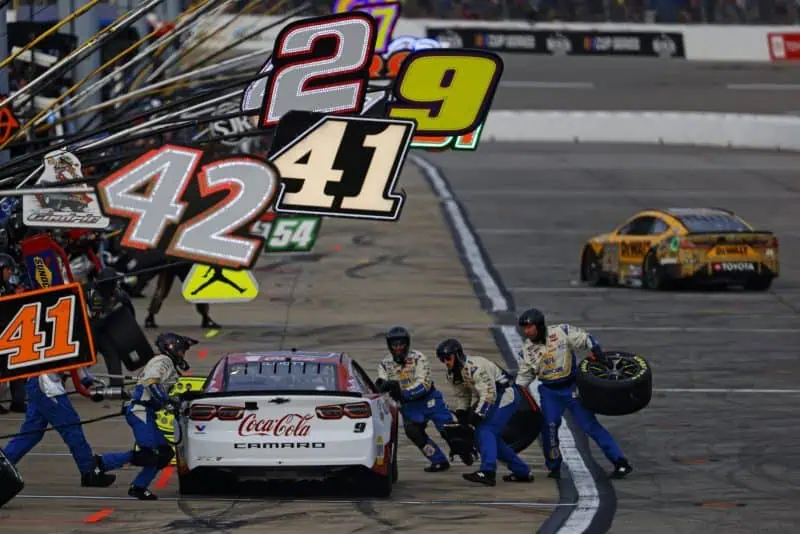
Richmond’s pit road isn’t exactly known for being the most forgiving stretch of asphalt in NASCAR. With 40 cars trying to navigate what feels like a glorified parking lot during pit stops, every inch of positioning counts. The difference between pit stall 1 and pit stall 40 could literally be the difference between celebrating in Victory Lane and wondering what went wrong during the post-race interview.
Breaking Down the Richmond Pit Road Strategy
Here’s where things get interesting from a strategic standpoint. Richmond Raceway’s pit road layout means that teams positioned closer to the pit road exit have a legitimate advantage when it comes to getting back into traffic. It’s not rocket science, but apparently, some folks needed a reminder that shorter distances equal faster lap times.
The teams with those coveted front pit stall assignments didn’t just get lucky. They earned those spots through performance metrics that actually matter. Meanwhile, teams stuck toward the back of pit road are probably already calculating how many extra seconds they’ll lose during each pit cycle. Spoiler alert. It adds up quickly.
What’s particularly amusing is how these pit stall assignments can completely change a team’s race day strategy before anyone even fires up their engines. Teams with poor pit positioning might be more aggressive with fuel strategy, while those with premium spots can afford to play it safe. It’s like watching a chess match, except the pieces are 3,400-pound stock cars traveling at ridiculous speeds.
NASCAR Craftsman Truck Series Gets in on the Action
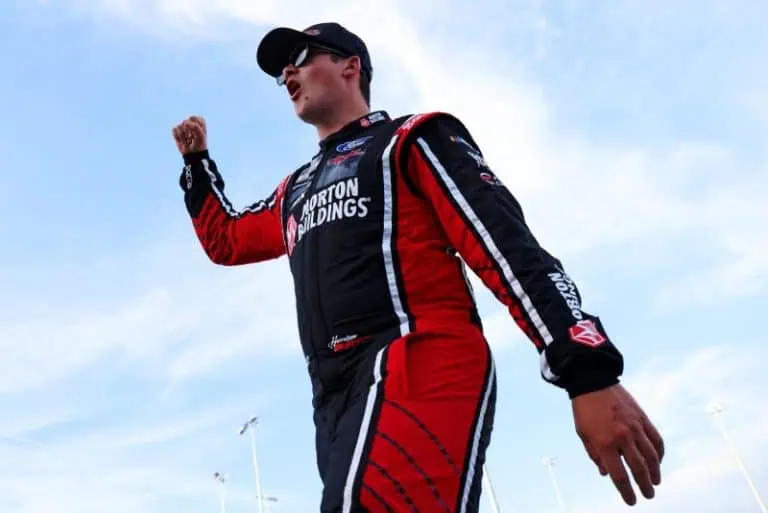
Not to be outdone by their Cup Series counterparts, the NASCAR Craftsman Truck Series also received its Richmond pit stall assignments for Friday night’s eero 250. Because apparently, even the truck drivers need to know where they’re setting up shop before they start beating and banging around the three-quarter-mile short track.
The Truck Series race kicks off at 7:30 p.m. ET on FS1, giving fans an appetizer before Saturday’s main event. And honestly, truck racing at Richmond can be just as entertaining as Cup Series action and sometimes more so because these drivers seem to have even less patience for each other than their Cup counterparts.
Why These Pit Stall Assignments Actually Matter More Than You Think
Reading about pit stall assignments isn’t exactly going to get your adrenaline pumping like watching Kyle Larson thread the needle between two cars at 170 mph. Yet, here’s the thing that casual fans might not realize. These assignments can legitimately influence race outcomes more than people give them credit for.
At a track like Richmond, where track position is absolutely crucial and passing opportunities can be limited, losing even two or three positions during pit stops can be devastating. Teams with poor pit stall assignments are essentially starting behind the eight-ball before the race even begins. It’s like showing up to a poker game and being dealt a seven-deuce off-suit every hand.
The psychological aspect can’t be ignored either. Drivers and crew chiefs know exactly what they’re working with based on these assignments. Some teams will adjust their entire race strategy around maximizing their pit road performance, while others might throw caution to the wind, knowing they’re already at a disadvantage.
The Richmond Factor: Where Pit Strategy Meets Reality
Richmond Raceway has always been one of those tracks where the little details matter exponentially more than they should. The pit stall assignments for this weekend’s races aren’t just random numbers, but they’re strategic positions that could determine who’s hoisting trophies and who’s heading home early.
What makes Richmond particularly interesting is how these pit stall assignments interact with the track’s unique characteristics. The short track nature means that track position is premium, and any advantage gained or lost on pit road gets magnified throughout the race. Teams with favorable pit stall assignments have a legitimate shot at gaining crucial track position, while those stuck in less desirable spots better hope their drivers are feeling particularly aggressive.
Final Thoughts
While pit stall assignments might not generate the same excitement as last-lap passes or multi-car crashes, they’re an integral part of the NASCAR racing equation that savvy fans should absolutely be paying attention to. This weekend at Richmond, those seemingly boring pit stall assignments might just determine who ends up celebrating and who ends up kicking themselves for not capitalizing on their opportunities.