
Candace Parker Doesn’t Mince Words About 2025 WNBA All-Star Game

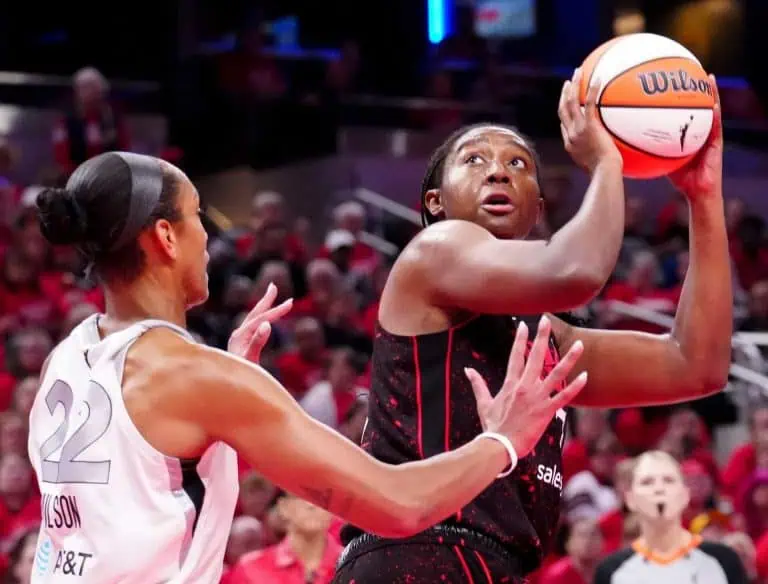
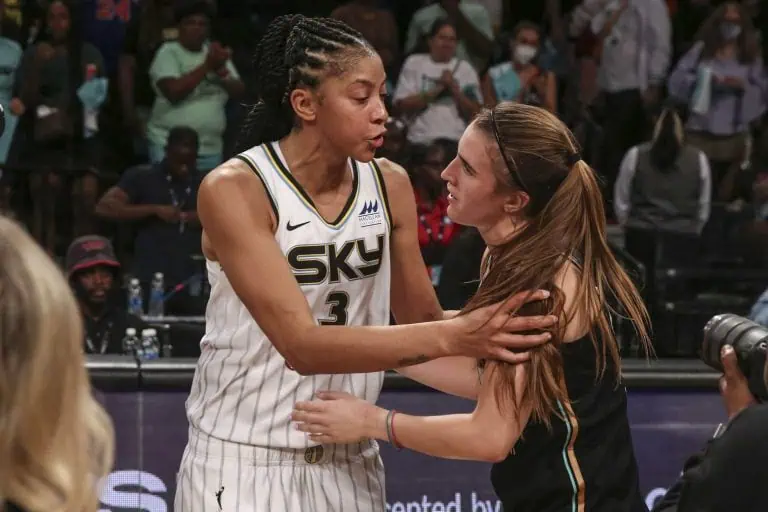
When Candace Parker talks, you better believe people listen. One of the most decorated players in WNBA history, Parker doesn’t hold back whether she’s on the court or behind a mic. During the first episode of her new podcast, Post Moves, alongside rising star Aliyah Boston, Parker took aim at the recent WNBA All-Star Game. And let’s just say she didn’t exactly shower it with praise.
“Y’all can’t come out there with those shirts saying ‘Pay Us What You Owe Us’ and then give that kind of effort,” Parker said, referring to the lackluster energy displayed in what was meant to be a showcase of the league’s best talent. The shirts, part of a growing push for better compensation and revenue sharing in the WNBA, made a bold statement. But according to Parker, the on-court product fell flat.
Why Candace Parker’s Critique Hit a Nerve
Parker’s comments weren’t just a random roast session. They touched on a deeper issue of optics, timing, and how best to advocate for change in a league that desperately needs it.
On one hand, you have the players’ legitimate frustrations. WNBA athletes receive a mere 9% of league revenue, an embarrassingly small slice compared to the NBA’s 50%. The All-Star Game, held during the league’s annual marquee weekend, seemed like the perfect stage to amplify their demands. Yet a sluggish 151-131 game, with more jogs than sprints, didn’t exactly scream “take us seriously.”
Parker’s point was hard to argue with. “Even in the NBA, guys get criticized for not trying hard during their All-Star Game,” she noted. “But at least you see some windmills and dunks. There’s still a show. Why not maximize the moment to back up the message?”
Cue Boston, who disagreed, countering that players are already stretched thin. “We play hard every single night during the season,” Boston said. “All-Star Weekend is a chance to just have fun. We had games two days later. Our regular season grind shows why we deserve better pay.”
It’s a valid counterpoint. The WNBA recently expanded to a grueling 44-game season, adding extra wear and tear without additional compensation. Still, Parker wasn’t having it. “This was the most attention an All-Star Game has had in years,” she argued. “It could’ve been an opportunity to add even more momentum to the cause.”
Candace Parker Puts the W in Accountability

Here’s what makes Candace’s stance so compelling. She’s not criticizing individual players or their dedication to the league. She’s calling out something that a lot of fans and observers noticed but hesitated to say out loud. If you’re going to demand respect and bigger paychecks, you can’t afford to look disengaged on one of the brightest stages. Is it unfair? Maybe. But that’s the ruthless reality of sports optics.
Parker’s critique comes from a place of love and understanding. She’s experienced the grind, the lack of resources, the constant comparisons to the NBA. But she’s also played on basketball’s biggest stages, from WNBA championships to overseas leagues. “I’ve been there, and I know what it takes,” she said poignantly. If she feels this strongly, it’s because she wants the league to succeed, not stagnate.
What the WNBA Needs Next
All-Star Game optics aside, the larger issue remains unresolved. Without a new collective bargaining agreement, things could get ugly by the time the current CBA expires at the end of the 2025 season. Players want higher salaries and a revenue share that reflects the league’s growing viewership. The league, meanwhile, has been slow to budge during negotiations.
Boston’s honesty about players needing to conserve energy was a reminder of just how demanding the WNBA schedule has become. Add in international commitments for many of these athletes and the toll on their bodies is enormous. If the league doesn’t address these issues, they risk losing some of the key talent driving their recent success.
The Bigger Picture
The debate between Parker and Boston isn’t a clash of generations. It’s a nuanced discussion about balance. How hard do you push on your body, your league, and public perception all at once? For Parker, the All-Star Game’s lack of effort was a missed opportunity. For Boston, it was a much-needed chance to breathe. Both have valid points, and both highlight how much work it’s going to take to get the WNBA where it needs to be.
If nothing else, Parker’s critique underscores her evolution from player to cultural critic, balancing sharp insight with an unrelenting passion for the game. Love her or not, she’s doing something critical for the WNBA right now—she’s forcing conversations that matter.