A Chilling Reality of Obsession and Stalking of the Fever Star

When it comes to stalking, there’s a sobering reality we all need to face. Social media isn’t just a tool of connectivity anymore; it’s a megaphone for obsessions to become dangerous. And in the case of Michael Lewis, a 55-year-old man from Denton, Texas, the term “overstepping boundaries” doesn’t even begin to scratch the surface.
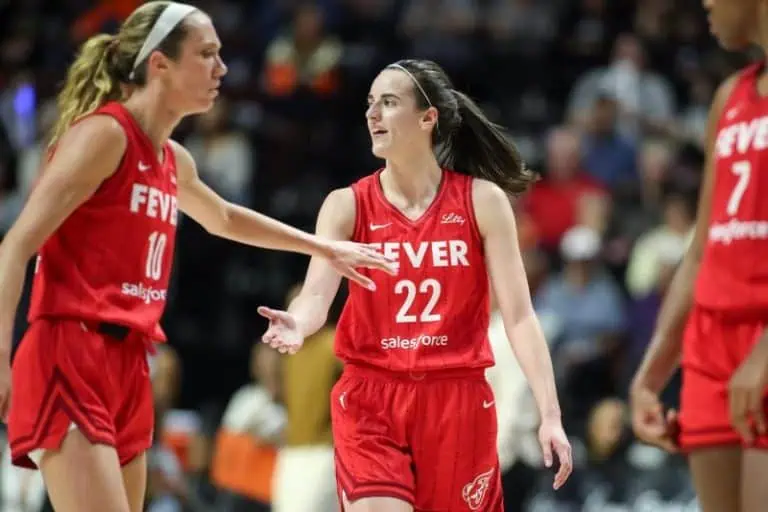
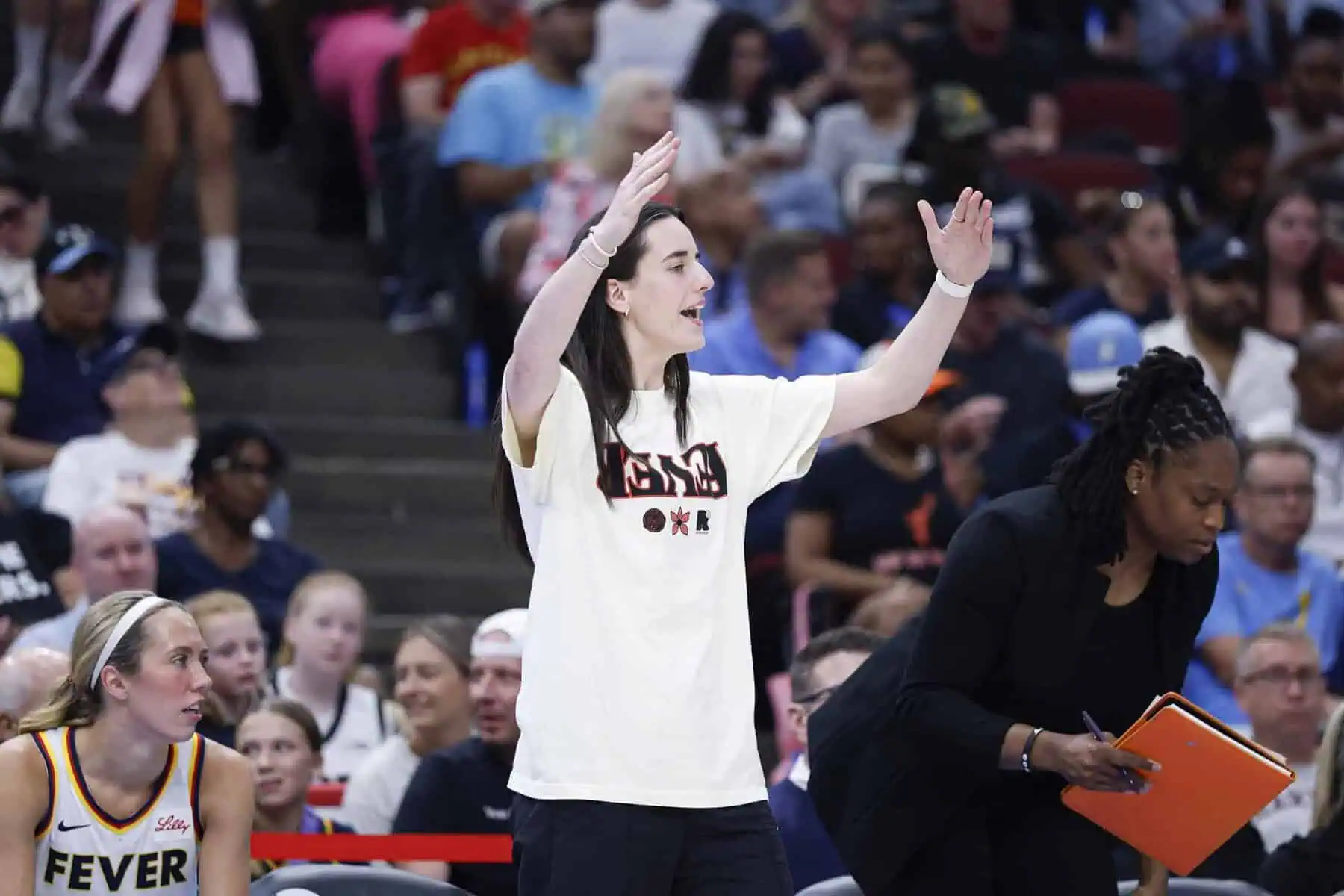
This week, the hammer finally came down for Lewis, who pleaded guilty to stalking and harassing Caitlin Clark, a rising star in the WNBA playing for the Indiana Fever. This wasn’t your average case of sliding into a celebrity’s DMs. Far from it. Lewis’s behavior crossed into deeply unsettling territory, a textbook example of modern-day stalking magnified by the accessibility of social platforms.
Threats, Harassment, and a False Narrative
Over a series of weeks late last year, Lewis bombarded Clark with numerous threatening and sexually explicit messages via X, formerly known as Twitter. Court documents detail his messages, which ranged from the horrifyingly absurd (“Been driving around your house 3x a day”) to alarmingly violent. Did Lewis stop there? No. He took it a step further by physically showing up in Indianapolis, where Caitlin Clark lives and competes, effectively altering her day-to-day existence.
Clark admitted to police she was so fearful for her safety that she was forced to change her public appearance and routines. Imagine being such a significant figure in your sport, only to feel trapped by someone else’s obsession. Meanwhile, Lewis excused his behavior as born out of an “imaginary relationship,” a justification as eerie as it was detached from reality.
The Judicial Response to This Incident
The justice system responded as decisively as it could under the circumstances. Lewis was handed an 18-month prison sentence (with some time already served, of course) and was barred from attending Indiana Fever or Pacers games or even using the internet during his time in custody. A full-fledged ban on him contacting Caitlin Clark was also part of the verdict, allowing a sliver of relief for the young star. Yet, one can’t help but wonder if that’s enough.
The judge also hit the nail on the head, saying, “You can’t help yourself until you get help.” Lewis was urged to undergo mental health treatment to address some deeply-rooted issues that evidently led to his actions. Whether he actually takes that advice remains to be seen.
The Cyber Age Amplifies Stalking’s Reach
The Caitlin Clark case isn’t the first of its kind, nor will it be the last. Stalking has taken on terrifying new dimensions in the digital age. Social platforms are double-edged swords, essential for branding and fan connection, while simultaneously serving as a gateway for those with harmful intentions.
Law enforcement and judicial systems are catching up, albeit slowly, as real victims like Clark and others continue to spotlight the dangers of unchecked fan behavior. Marion County Prosecutor Ryan Mears drew attention to this point by emphasizing the online element of this case. “There are consequences to what people say online,” he boldly stated, reminding us all of the thin line between free speech and outright harassment.
When Boundaries Aren’t Just Crossed but Obliterated
What’s infuriating is how the legal system seems reactive rather than proactive when it comes to stalking cases. Should a victim’s life have to unravel before we take substantial action? No one should have to alter their appearance or daily routines just to avoid their pursuer, yet that’s exactly what Clark was forced into. It underlines the power imbalance that’s not just mental or emotional but physical and systemic.
While Lewis’s punishment provides some sense of accountability, it’s hard to call it justice. Will 18 months really dissuade others? Will internet restrictions keep this man from finding another way to harass someone?
Stalking Isn’t Just Obsession; It’s a Crime
For too long, society has allowed obsessive behaviors to be glossed over with words like “admiration” or “adoration.” But stalking isn’t fandom that went too far. It’s a full-on invasion of privacy and, more importantly, a direct threat to someone’s mental and physical well-being. And cases like Caitlin Clark’s show how easily obsession can spiral into something much darker when technology provides endless avenues for access.
It’s a lesson for platforms, too. How can social media companies better manage behavior that exists in moral gray areas but lands squarely in the red zone when it crosses into harassment? How can they move quickly to track down offenders and work with law enforcement?
Finding Solutions and Support
For victims of stalking, speaking out is key, but they shouldn’t have to bear the burden alone. Law enforcement, legal systems, and support networks need to be proactive, not just reactive. Cyberstalking laws need teeth, platforms need improved reporting mechanisms, and, most importantly, we need to stop normalizing behavior that makes people feel unsafe.
To Caitlin Clark and others who endure this type of harassment, know that your courage to come forward shifts the narrative and forces change, however slow it feels. For the rest of us, it’s past time to advocate for stronger protective measures. Stalking isn’t an “overreaction” or “misunderstanding.” It’s a flagrant violation. And it’s on all of us to ensure these boundaries aren’t just respected but are utterly non-negotiable.