
Napheesa Collier Speaks Out on 2026 WNBA CBA Talks: “Someone’s Gonna Have to Fold”

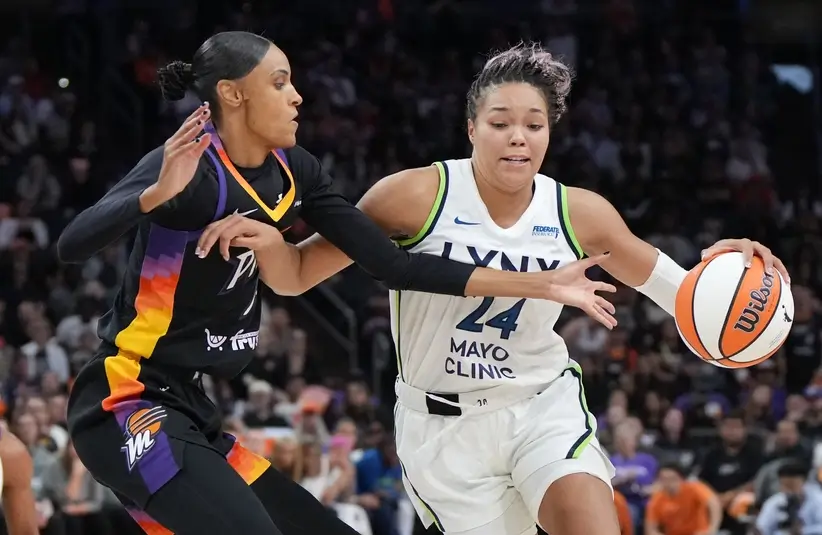
The clock is ticking on the WNBA’s collective bargaining agreement, and Napheesa Collier isn’t mincing words. The Minnesota Lynx star and WNBA Players Association vice president went on record this week with a reality check that sent ripples through the basketball world: if a deal is going to get done before the 2026 season tips off in May, one side will need to blink.
Collier’s comments land at a pivotal moment. After months of closed-door talks on everything from revenue sharing to player housing, the negotiations have hit a crossroads. With training camps on the horizon and the specter of a delayed season looming, her candid assessment has put the spotlight squarely on what happens next—and whether the league and its players can bridge the gap before it’s too late.
The Stakes Have Never Been Higher
This isn’t just another round of contract talks. The outcome of these negotiations will determine how WNBA players are paid, where they live during the season, and how revenue gets split for years to come. Collier, a five-time All-Star who’s been at the bargaining table throughout, knows exactly what’s on the line.
Speaking to USA TODAY, she laid it out plainly: “Someone’s gonna have to fold.” It’s the kind of straight talk you’d expect from a veteran competitor who’s seen enough to know when a game plan needs adjusting. Her message was clear—progress requires compromise, and the window to find it is closing fast.
But Collier also offered a glimmer of hope. On Yahoo Sports’ Hoops 360 podcast, she noted that negotiations are “trending in the right direction.” That’s cautious optimism from someone who understands the difference between momentum and a done deal. The players want more; the league has to balance the books. Somewhere in the middle, a CBA is waiting to be finalized.
What’s Driving the Deadlock?
The central issues aren’t new, but they’ve gained urgency as the league’s profile has grown. Revenue sharing sits at the top of the list. Players want a bigger slice of the pie, especially as viewership climbs and sponsorship deals expand. Housing is another flashpoint; many players have long called for league-provided accommodations during the season, a benefit that’s standard in other pro leagues.
Then there’s the broader question of financial structure. How much gets reinvested in player salaries versus team operations and league growth? Both sides have legitimate concerns, and neither wants to leave money—or leverage—on the table.
Complicating matters, some stars have already signed overseas deals, hedging their bets in case the WNBA season gets delayed. Those moves add pressure to wrap things up quickly, but they also signal that players are willing to walk away if the terms don’t meet their expectations.
A Timeline of Tension
The road to this moment has been months in the making. Throughout late 2025 and into early 2026, the WNBPA and league officials exchanged proposals in closed-door meetings. By mid-February, Collier’s USA TODAY interview made it clear that the easy wins had been claimed. The hard part, finding middle ground on the biggest sticking points, was just the beginning.
Her follow-up appearance on Hoops 360 in late February underscored the urgency. Time is running out, and while both sides are still talking, the possibility of a work stoppage or a delayed season is no longer hypothetical. It’s a real risk that fans, players, and franchises are watching closely.
The Players Are Ready to Dig In
Collier’s comments reflect a union that’s prepared to hold the line. Players across the league have publicly backed the WNBPA’s stance, and social media has amplified their message. Fans have rallied behind the push for better pay and working conditions, though some worry that a protracted standoff could hurt the league’s hard-won momentum.
The WNBPA has framed its proposals as essential for long-term sustainability. In their view, a fair CBA isn’t just good for players—it’s good for the league’s future. The more the WNBA invests in its talent, the thinking goes, the stronger the product becomes.
League officials, meanwhile, have emphasized fiscal responsibility.
They’ve acknowledged the need for a new deal but have been careful not to overpromise or set public deadlines that could box them in. The negotiations remain largely behind closed doors, with both sides choosing their words carefully when they do speak out.
What Comes Next?
Expect the pace to pick up in the coming weeks. Both sides know they’re running out of runway, and the next round of bargaining sessions will be critical. If talks continue to trend positively, a framework agreement could be announced before May. If they stall, the risk of a lockout or delayed season grows.
Short-term, watch for more public statements from union leaders and possibly league representatives. Long-term, the CBA that eventually emerges will shape the WNBA’s landscape for years, affecting not just salaries, but also housing, offseason opportunities, and the overall financial health of the league.
Collier’s voice has become central to this story, and her willingness to speak openly has sharpened the focus on what’s at stake for the league as a whole as the league grows rapidly. As the calendar tightens, the question isn’t whether a deal will get done—it’s whether both sides can find the give-and-take it will require to make it happen before the season is on the line for 2026.
The Final Buzzer Hasn’t Sounded Yet
This is still a developing story, and the outcome remains uncertain. Napheesa Collier’s frank assessment has brought the WNBA’s CBA negotiations into the spotlight, and the pressure is on to deliver a deal that works for everyone. We will keep an eye on the updates from this story throughout the duration of these negotiations because the life of the WNBA might be at stake.
